Struggling with slippery tools in oily conditions? This can lead to costly mistakes and serious accidents. The right glove coating is your best defense against these workplace hazards.
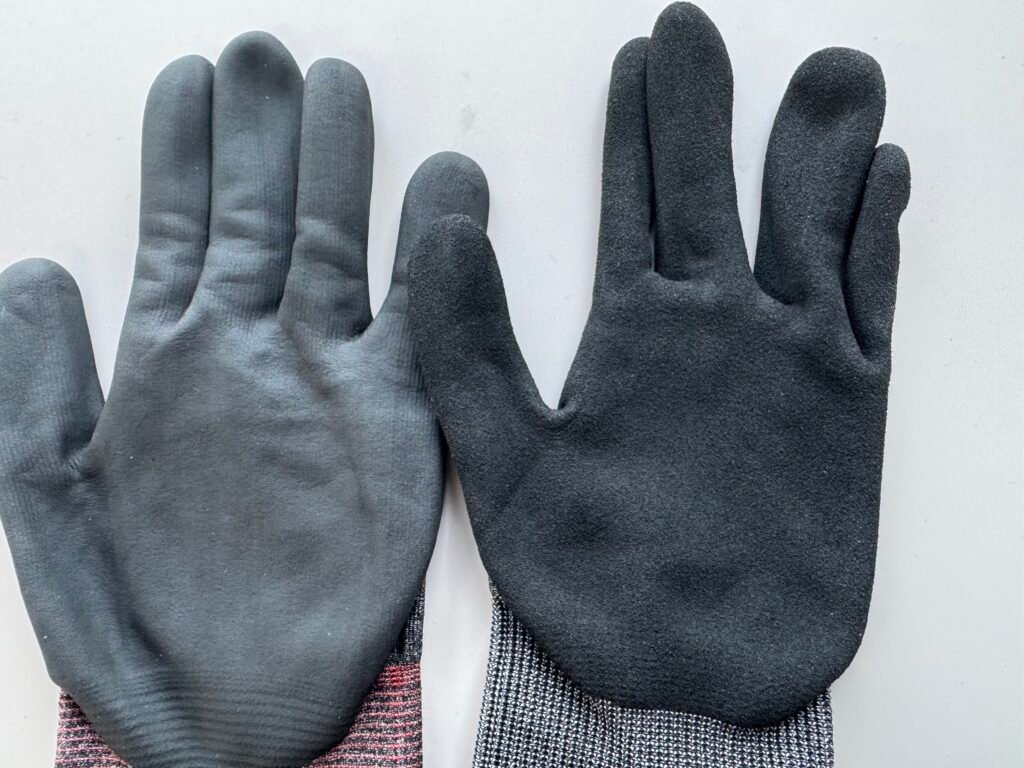
For oily surfaces, Nitrile Micro-Foam gloves provide a superior grip, especially in heavy-oil environments. Their porous, sponge-like surface absorbs and channels oil away, allowing for direct contact with the object. Sandy Nitrile works well in light oil but can fail in heavy oil.
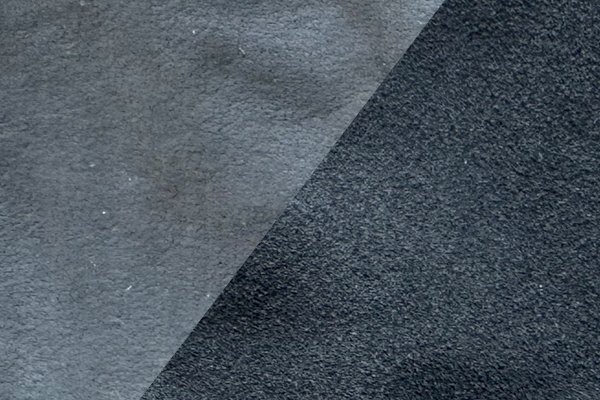
You might be wondering how two coatings made from the same base material, nitrile, can perform so differently. The secret is in the finishing process, which creates two unique surface structures designed for different tasks. Understanding this difference is key to keeping your team safe and productive. Let's dive deeper into the technology behind each grip to see which one is right for you.
How does Nitrile Micro-Foam actually work in oil?
You've heard that micro-foam is the best for oil, but you're not sure why. Without knowing the reason, you can't be confident it's the right investment for your team.
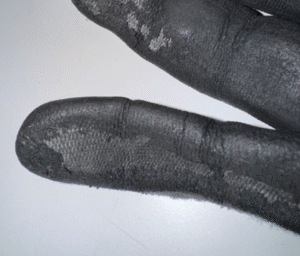
Nitrile Micro-Foam features a unique, sponge-like structure with countless microscopic pockets. These pockets act like tiny channels, drawing oil away from the surface you're gripping. This allows the glove to make solid, direct contact, creating incredible friction and a secure hold.
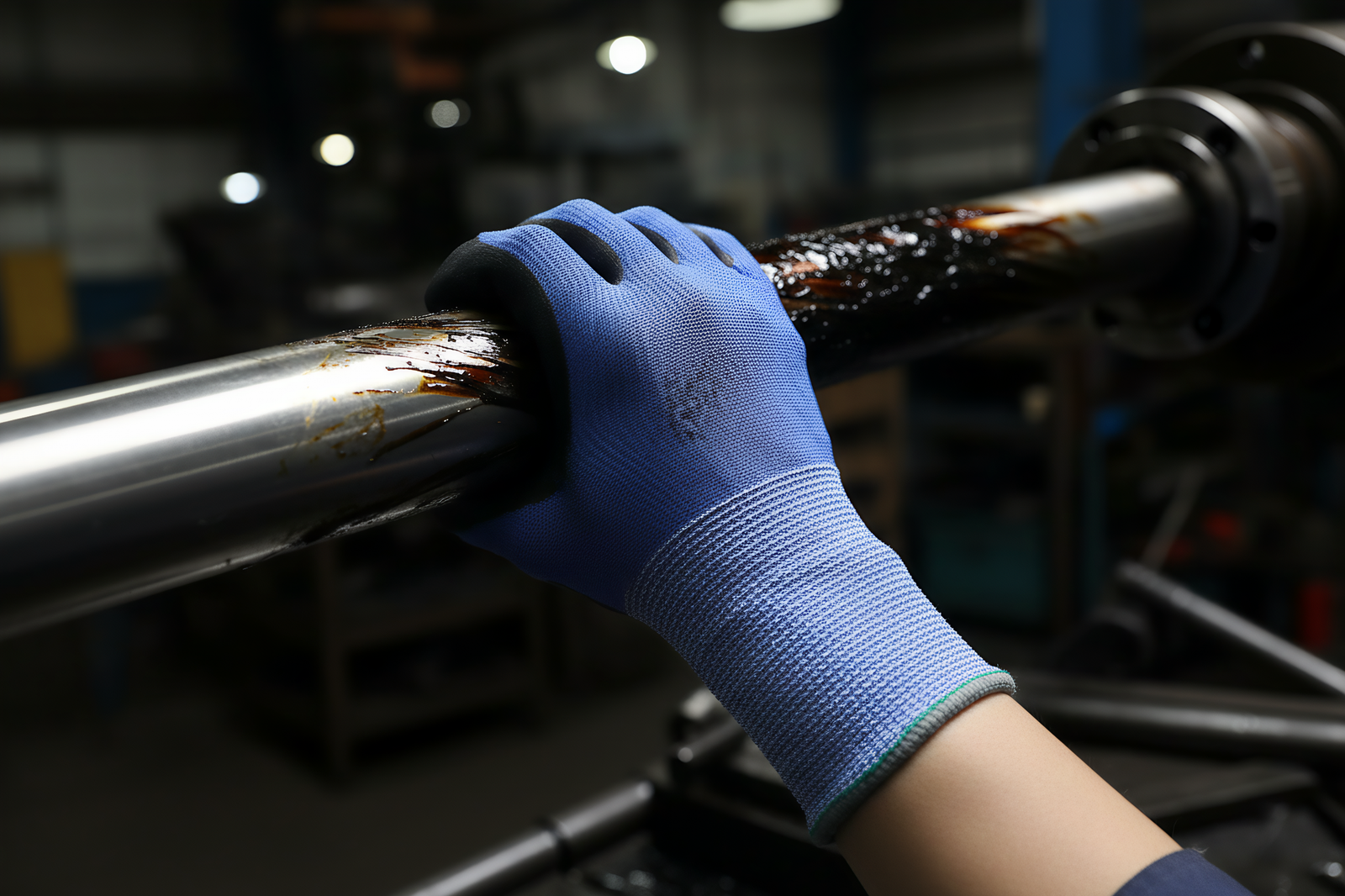
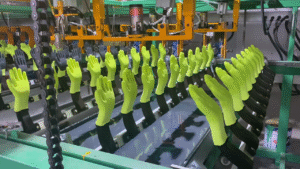
The magic of micro-foam nitrile is all in its engineering. During our manufacturing process at Antafursafety, we introduce air into the liquid nitrile compound before it cures. This creates a network of open pores and micro-voids across the entire palm coating. This isn't just a surface texture; it's a fundamental change to the material's structure.
The Science of Absorption
When a micro-foam glove touches an oily object, it doesn't just push the oil aside. The micro-voids actively absorb the oil, pulling it into the glove's coating and away from the contact point. Think of it like a high-tech sponge. This channeling effect clears the way for the solid parts of the nitrile coating to make direct, firm contact with the tool or part. This results in a much larger contact area and, consequently, much stronger friction. It’s this absorption and channeling that makes it perform so well in both light and heavy oil situations.
Best Applications for Heavy-Oil Environments
This technology is a game-changer for certain industries. We see the highest demand for our micro-foam gloves from:
- Automotive Repair and Assembly: Mechanics handle oily engine parts all day.
- Machining and Metal Stamping: Cutting fluids and lubricants are everywhere.
- Petrochemical Handling: Working with crude and refined oils requires a reliable grip.
In these environments, a secure grip isn't just about efficiency; it's about preventing serious injury.
What makes Sandy Nitrile different, and where does it excel?
Sandy Nitrile gloves are a popular choice, but do you know their limitations? Using them in the wrong setting, like heavy oil, can lead to grip failure and potential accidents.
Sandy Nitrile has a textured, gritty surface that relies on physical friction for grip. It performs very well in dry or light-oil conditions. However, in heavy oil, the oil fills the gaps between the particles, creating a slippery film that dramatically reduces its gripping power.
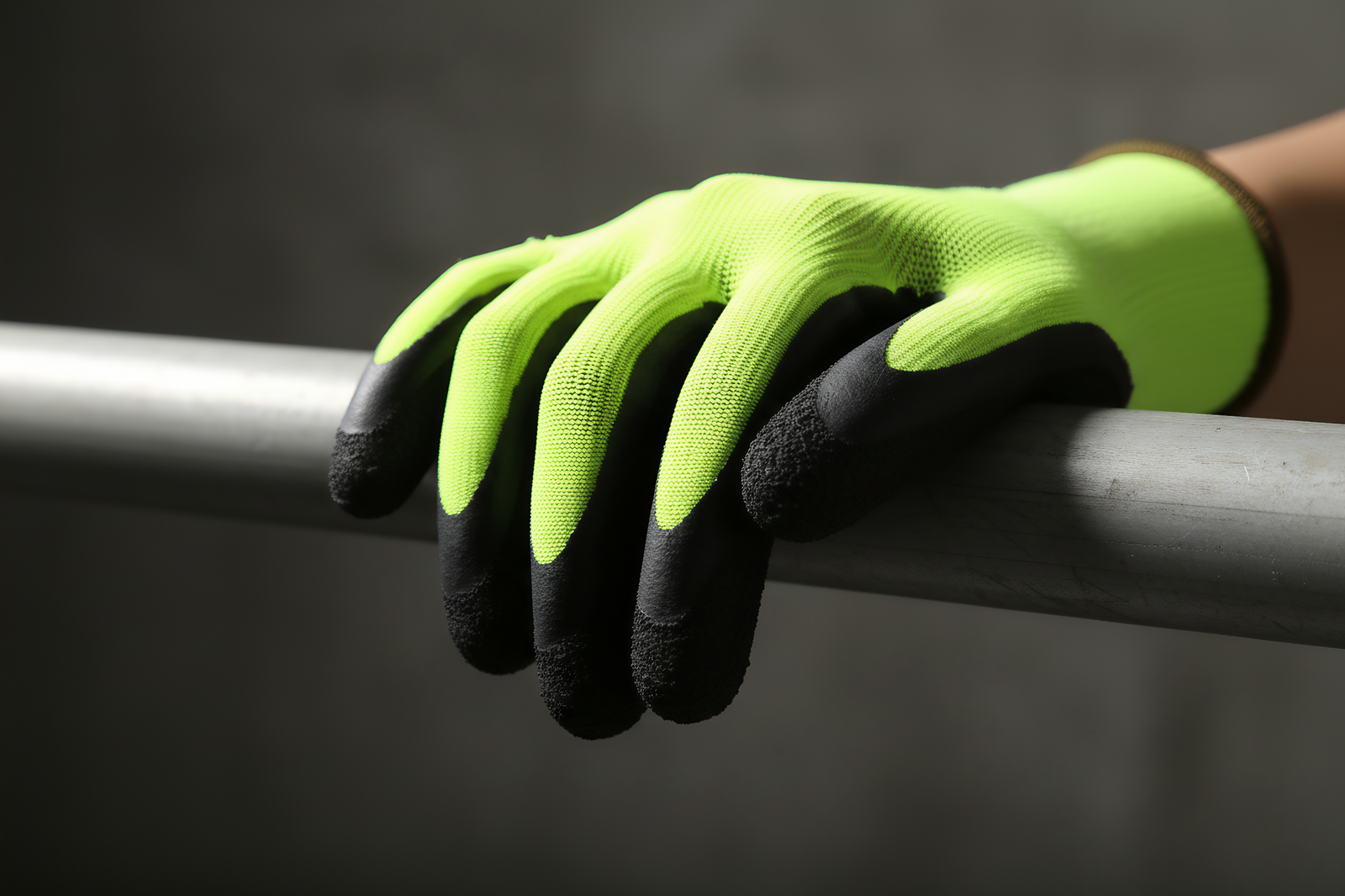
The manufacturing process for a sandy finish is quite different. Instead of creating pores, we apply a layer of tiny, hardened particles to the nitrile coating while it's still tacky. This creates a uniform, rough texture, almost like fine-grit sandpaper. This surface is designed to increase the coefficient of friction, giving you a solid hold on dry or slightly damp objects. I've seen it work wonders in warehouses and assembly lines where workers are handling cardboard boxes or smooth plastic components.
Grip Through Texture
| The sandy finish works by creating more points of contact and digging into the surface of the object you're holding. | Condition | Performance | Reason |
|---|---|---|---|
| Dry | Excellent | The gritty texture provides maximum friction. | |
| Light Oil | Good | The texture can break through a thin oil film. | |
| Heavy Oil | Poor | Oil fills the gaps, causing a "hydroplaning" effect. |
The Limits in Heavy Oil
The primary weakness of sandy nitrile becomes clear in heavy-oil environments. The gaps between the textured particles are not deep or interconnected enough to channel significant amounts of fluid away. Instead, a thick layer of oil fills these gaps completely. This creates a smooth, liquid barrier between the glove and the object, leading to a dangerous loss of friction. It's why we always advise clients in industries like heavy manufacturing or oil and gas to opt for a micro-foam coating instead.
Which glove should you choose for your team?
You understand the technology, but making the final purchasing decision can be stressful. The wrong choice could waste your budget and, more importantly, compromise your team's safety.
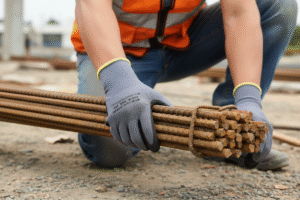
Choose Nitrile Micro-Foam for heavy-oil tasks like automotive repair and machining. For general work, assembly, or light-oil conditions, Sandy Nitrile is a reliable and cost-effective choice. The key is to accurately assess your specific work environment.
After more than 20 years of manufacturing safety gloves, I've learned that the best choice always comes down to the specific application. There is no single "best" glove, only the best glove for the job at hand. When a new client comes to us, the first thing I ask is for them to describe their team's daily tasks. Are they dealing with a light sheen of oil from metal handling, or are their hands constantly submerged in lubricants?
A Direct Comparison
Here is a simple breakdown to help you decide:
| Feature | Nitrile Micro-Foam | Sandy Nitrile |
|---|---|---|
| Grip (Heavy Oil) | Excellent | Poor to Fair |
| Grip (Light Oil) | Excellent | Good |
| Grip (Dry) | Good | Excellent |
| Primary Mechanism | Oil Absorption & Channeling | Increased Surface Friction |
| Best For | Automotive, Machining, Petrochemicals | General Assembly, Material Handling |
My advice is to perform a simple test. Provide both types of gloves to a small group of workers in different roles. Their direct feedback after a day or two of use will be the most valuable data you can collect. This small investment in testing can prevent a much larger, incorrect order and ensure you are providing the absolute best protection for your team.
Conclusion
Nitrile Micro-Foam is unbeatable in oily conditions due to its absorbent design. Sandy Nitrile offers a fantastic grip for dry and light-oil tasks. Match the glove to your environment.