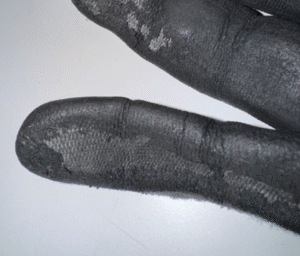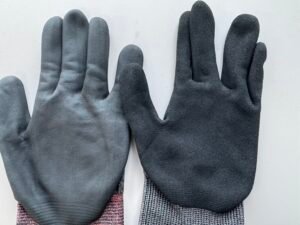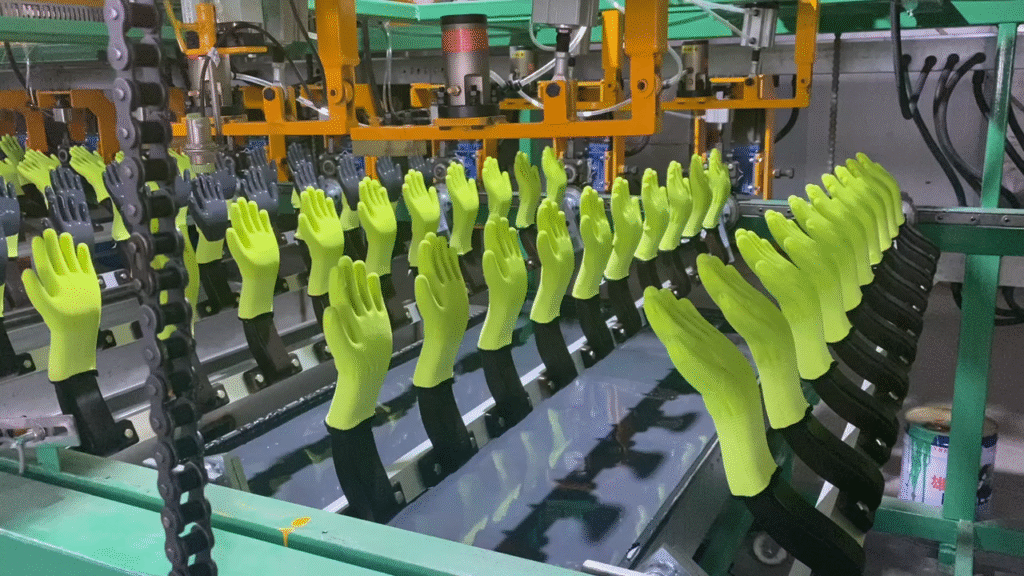
Choosing the wrong glove leads to poor grip and potential injuries. You feel frustrated when your gloves fail under pressure. Let's learn to match the right coating to your specific job.
Choose a work glove coating based on your task and environment. Nitrile is best for oil and chemical resistance. Latex offers excellent wet and dry grip. Polyurethane (PU) provides superior dexterity for precise tasks. Matching the coating ensures optimal safety, comfort, and performance for your team.

That's the basic answer, but the real value is in understanding the details. Each coating has unique strengths and weaknesses that can make a huge difference in your daily work. Let's break down each type so you can make the best choice for your team's safety and efficiency.
When Should You Choose Nitrile Coated Gloves?
Your team handles oils and chemicals, but their gloves keep failing. This exposes them to risk and slows down work. You need a reliable glove that stands up to tough conditions.
Nitrile coated gloves are the top choice for environments with oils, fuels, and many chemicals. Their synthetic rubber composition provides excellent puncture and abrasion resistance, making them durable and safe. They are also a great latex-free alternative, eliminating allergy concerns for workers.
When I think about nitrile, I remember a client in the automotive industry. They were using standard gloves, and their workers constantly complained about poor grip on oily parts, leading to slips and mistakes. After switching to our sandy nitrile coated gloves, the feedback was immediate. The grip improved, and the gloves lasted much longer. This is because nitrile is a powerhouse material built for tough jobs.
Superior Chemical and Oil Resistance
Nitrile is a synthetic rubber, so it doesn't break down when it comes into contact with oils, fuels, or solvents. This makes it perfect for mechanics, machinists, and anyone in manufacturing. Your hands stay protected, and the glove maintains its integrity for longer. It offers a dependable barrier that you just don't get from other coatings when chemicals are involved.
Toughness and Durability
Beyond chemical resistance, nitrile is also highly resistant to punctures and abrasions. This means it can handle rough materials like metal or unfinished wood without tearing easily. It provides a strong layer of protection that gives workers peace of mind when handling sharp or abrasive objects. This durability also means you replace gloves less often, which is a great way to manage costs.
Is a Latex Coating the Best Choice for Grip?
Workers are losing their grip on materials, especially in wet conditions. This drops productivity and increases the risk of accidents. You need a glove that provides a secure hold every time.
Latex coated gloves offer outstanding elasticity and superior grip in both wet and dry conditions. The crinkle finish on most latex gloves creates high friction, making them ideal for construction, general handling, and gardening. It provides a snug, comfortable fit for long-term wear.

A general contractor I've worked with for years swears by latex coated gloves. His team handles everything from concrete blocks to lumber, often in damp weather. He told me that other gloves would get slick, but the crinkle latex gloves gave them a "superhuman grip," as he put it. It shows how the right coating can directly impact performance and safety on a job site. The key is the unique texture of the coating.
Unmatched Grip in Any Condition
The signature feature of latex is its incredible grip. This is usually enhanced with a "crinkle" or "wrinkle" finish, which creates tiny ridges that channel away liquids and increase surface area. This results in a fantastic hold on smooth, wet, or dry objects. It's why you see latex gloves so often in industries where handling a variety of materials is key, like landscaping or masonry.
Elasticity and Comfort
Natural rubber latex is extremely flexible and elastic. This allows the glove to fit snugly around the hand, almost like a second skin. This close fit reduces hand fatigue because workers don't have to fight against a stiff, bulky glove. The comfort factor is huge for teams that wear their PPE all day long. One important thing to remember, however, is that some people have latex allergies. For them, nitrile or PU are much better alternatives.
Why Are PU Coated Gloves Ideal for Detailed Work?
Your team works with small, delicate components. Bulky gloves make it impossible to feel what they're doing, leading to errors. You need a glove that protects without sacrificing touch sensitivity.
Polyurethane (PU) coated gloves are perfect for tasks requiring high dexterity and tactile precision. The coating is ultra-thin, lightweight, and breathable, offering a bare-hand feel. This makes it the best choice for electronics assembly, inspection, and other fine-detail work.
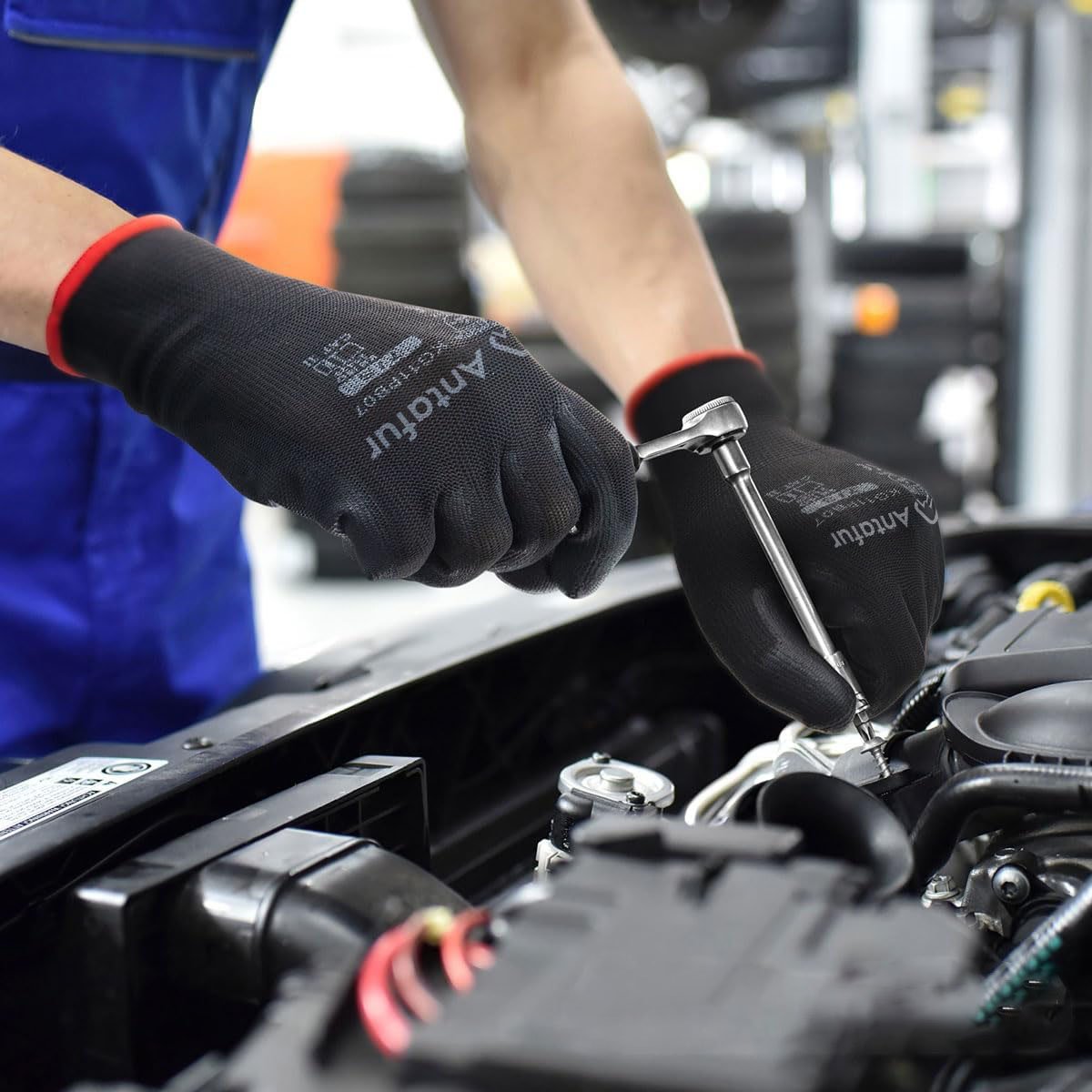
I once supplied gloves to an electronics manufacturer. Their biggest challenge was finding a glove that protected their products from static and skin oils but didn't hinder the workers' ability to handle tiny screws and wires. PU gloves were the perfect solution. They provided the necessary protection while being so thin and flexible that the workers almost forgot they were wearing them. Productivity went up because the frustration of fumbling with parts was gone.
The Ultimate in Dexterity
PU is the thinnest coating we apply to our glove liners. This is its greatest strength. The coating provides excellent abrasion resistance without adding any bulk. This allows workers to pick up and manipulate very small objects with ease. For any job where you need to feel the texture and shape of what you're holding, PU is the undisputed winner. It truly feels like a second skin.
Breathability for All-Day Wear
Another major benefit of PU is its breathability. The coating allows moisture and air to pass through, which keeps hands cool and dry over a long shift. This is a huge comfort factor and prevents the clammy feeling that can come with less breathable gloves. However, it's important to note that this breathability means PU is not waterproof or suitable for oily environments. It's designed for clean, dry precision work.
How Do Nitrile, Latex, and PU Coatings Compare Side-by-Side?
You see the benefits of each coating, but choosing one is still hard. It's confusing to weigh the pros and cons for your specific needs. You need a simple way to compare them directly.
A direct comparison helps clarify the best use for each glove coating. Nitrile excels in durability and chemical resistance, Latex is the king of grip, and PU offers unmatched dexterity. Use a simple chart to match the glove's strengths to your workplace hazards and tasks.
Making the right choice is about understanding the trade-offs. You can't have one glove that does everything perfectly. As a manufacturer for over 20 years, I've helped countless clients navigate these choices. The best way to start is by looking at the primary function you need. Are you dealing with oil? Start with nitrile. Is a rock-solid grip the most important thing? Look at latex. Is it all about tiny parts? Go straight to PU. From there, you can consider secondary factors.
For instance, if you need grip but work with people who have latex allergies, a sandy nitrile glove is an excellent alternative to crinkle latex. If you need some dexterity but also light oil resistance, a microfoam nitrile glove can be a good middle ground. The following table breaks it down.
| Feature | Nitrile Coating | Latex Coating | PU Coating |
|---|---|---|---|
| Primary Use | Oily/Chemical Environments | General Handling, Construction | Precision Assembly, Electronics |
| Grip in Dry | Good | Excellent | Good |
| Grip in Wet | Good | Excellent | Poor |
| Grip in Oil | Excellent | Poor | Poor |
| Dexterity | Good | Good | Excellent |
| Abrasion Resistance | Excellent | Good | Good |
| Puncture Resistance | Excellent | Fair | Fair |
| Latex Allergy Risk | None | Yes | None |
| Breathability | Fair | Fair | Excellent |
Use this table as your guide. Identify the biggest challenges in your workplace—oil, water, small parts—and find the coating that lines up best. This simple step will ensure your team has the right protection to work safely and effectively.
Conclusion
Choosing the right glove coating is simple. Match the glove's features—Nitrile's resistance, Latex's grip, or PU's dexterity—to your specific job. This ensures better safety, comfort, and performance.