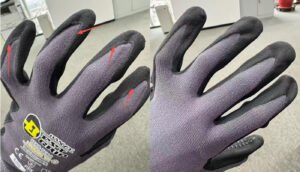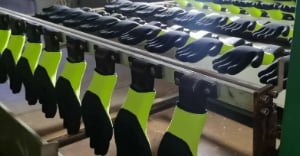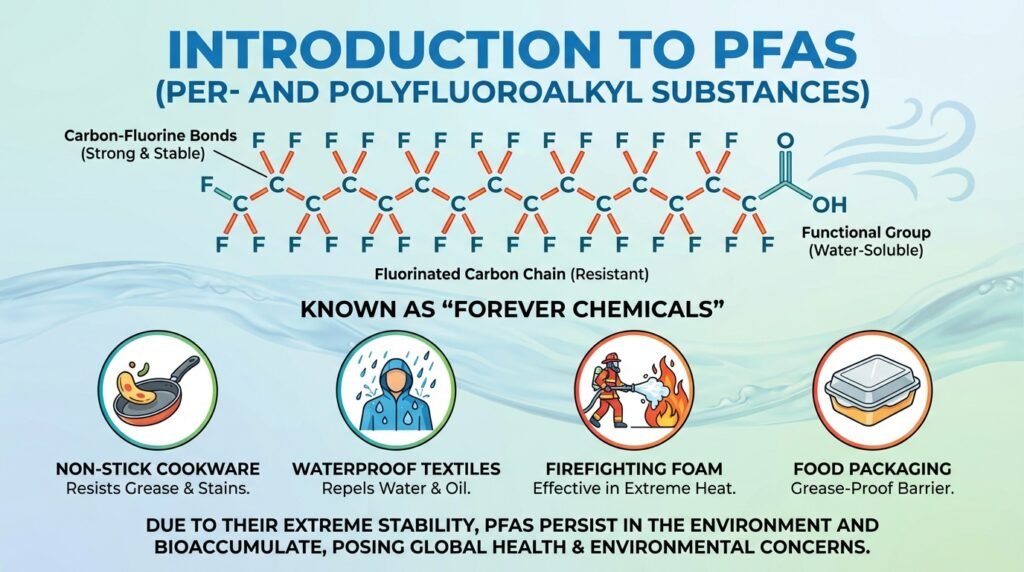
Are you concerned about PFAS1 in your safety gloves2? Many in the industry are, and for good reason. It's a critical issue that demands a closer look, especially when dealing with the raw materials in personal protective equipment.
Glass fiber often contains PFAS because these "forever chemicals" are used as lubricants3 during the manufacturing process4 to ensure the fibers are smooth enough to be processed. Without these lubricants, producing fine glass fiber5s thinner than 800D would be impossible. This poses a challenge for safety glove manufacturers aiming for PFAS-free products.

It's a tricky situation that I want to explain further. Understanding this hidden detail is important for anyone in procurement6 or brand management7 who values product safety and compliance. Let's dig deeper into why this happens and what it means for our industry.
Why is Lubricant Necessary for Glass Fiber Production?
Do you wonder why glass fiber, a seemingly inert material, needs special additives during its creation? It's a common question that gets to the heart of manufacturing challenges.
Lubricants are essential in glass fiber production to reduce friction and breakage during the drawing process. Without them, the delicate glass filaments, especially those thinner than 800D, would not be able to be spun into usable fibers. These lubricants3 allow for the smooth, continuous production of fine, strong glass threads for various applications.
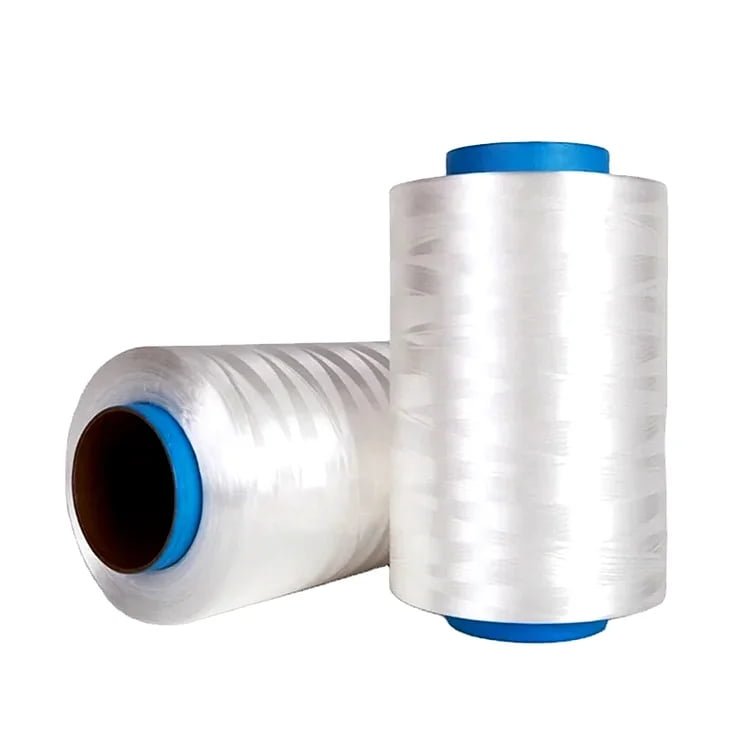
From my experience, if you skip this step, you simply cannot make the ultra-thin glass fibers that we use in high-performance safety gloves. It is a physical necessity. The drawing process involves pulling molten glass into extremely thin strands at high speeds. This creates a lot of stress and friction.
| Lubricant Function | Impact on Production | Result if Absent |
|---|---|---|
| Reduces Friction | Allows fibers to slide past each other smoothly | Fibers break frequently, low yield |
| Prevents Abrasion | Protects fiber surface from damage | Weak spots, reduced tensile strength |
| Enhances Flexibility | Makes fibers pliable for weaving/knitting | Brittle fibers, difficult to process |
| Enables Fine Denier | Critical for producing fibers < 800D | Impossible to achieve required thinness |
| Improves Handling | Easier to wind, spool, and further process | Tangling, equipment jams, increased waste |
| Controls Static | Dissipates static electricity build-up | Static charges disrupt fiber flow, safety risks8 |
| Aids Adhesion (sometimes) | Helps with subsequent coatings or resin binding | Poor material integration, weaker final product |
These lubricants ensure that glass fibers remain intact and consistent during processing. This is especially true for fibers thinner than 800D. Without this lubrication, the glass fibers would be too fragile. They would break constantly during manufacturing. This makes it impossible to produce the high-quality, durable glass fiber needed for cut-resistant gloves9. So, while we want to avoid PFAS, the lubricant itself is non-negotiable for producing the specific type of glass fiber required.
Why is Detecting All PFAS in Glass Fiber So Difficult?
Have you ever wondered why, despite our best efforts, fully detecting PFAS in materials like glass fiber remains such a challenge? It is a complex issue with profound implications for product compliance and safety.
Detecting all PFAS in glass fiber is difficult because the term "PFAS" covers over 12,000 different organic fluorine compounds, and current third-party testing methods10 can only identify a small fraction of these. For example, labs like Intertek can detect a maximum of 509 specific PFAS substances, leaving the vast majority undetected, even if total organic fluorine11 is present.
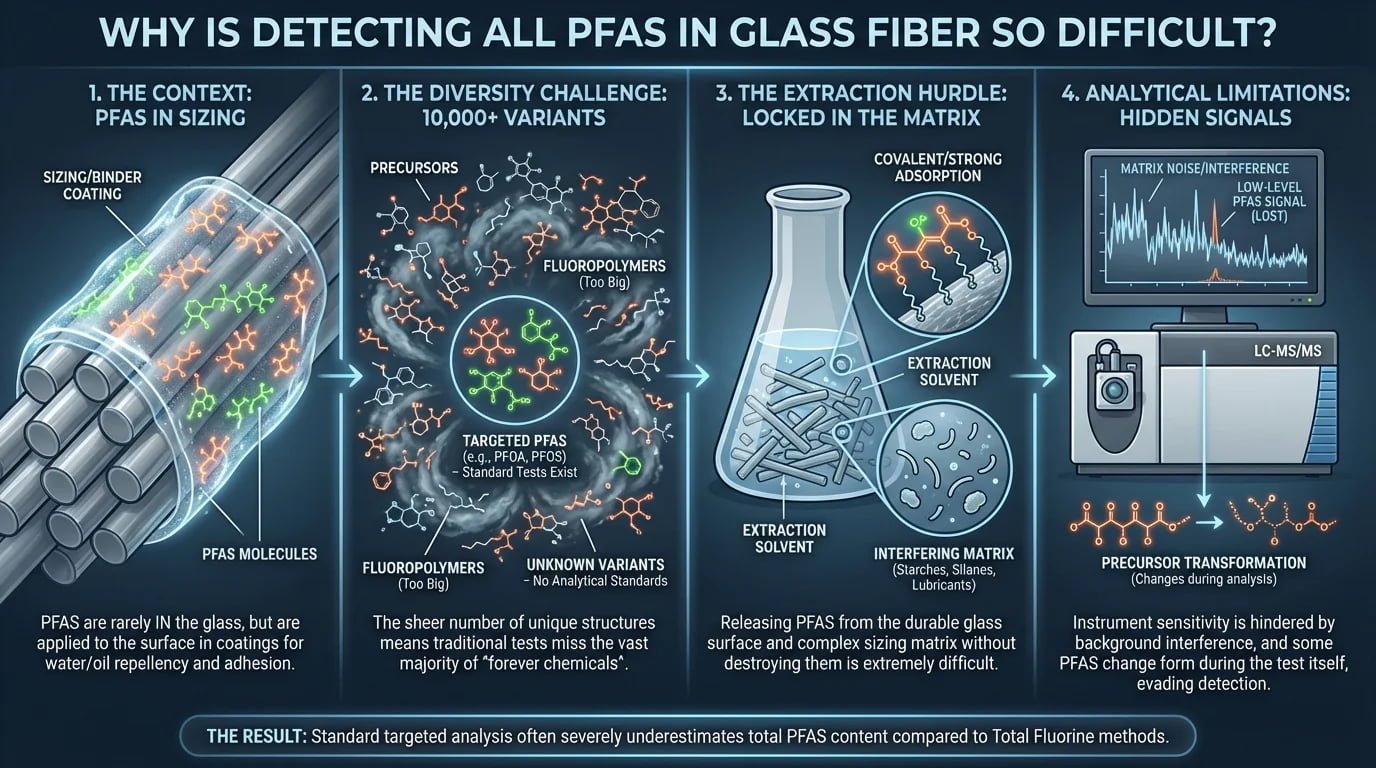
From my direct experience, this limited detection capability creates a significant problem. We recently conducted a test on gloves containing glass fiber using a comprehensive method: "For All PFAS As Measured By Total Organic Fluorine, With Reference to ASTM D7359:2023, By Combustion Ion Chromatography (CIC)." The result was a failure. This method measures total organic fluorine. If organic fluorine is present, it means PFAS are likely there, even if specific individual PFAS compounds are not identified by standard tests. The sheer number of PFAS variants makes it nearly impossible for current lab techniques to capture every single one. Imagine trying to identify every single type of fish in the ocean with a net designed for only 500 species; many would slip through.
| Aspect | Explanation | Challenge for Detection |
|---|---|---|
| Vast Number of Compounds | Over 12,000 known PFAS substances exist, each with unique chemical structures. | Labs can only test for a limited subset (e.g., 509 by Intertek). |
| Method Specificity | Standard testing often looks for specific, regulated PFAS (e.g., PFOA, PFOS). | Many other PFAS types are not covered by these specific methods. |
| Total Organic Fluorine | Measuring total organic fluorine (TOF) provides a better indicator of overall PFAS presence. | TOF indicates presence but does not identify individual PFAS compounds or their amounts. |
| Complex Matrices | PFAS can be embedded or adsorbed onto materials like glass fiber, making extraction and analysis difficult. | Requires robust sample preparation and analytical techniques to ensure accurate results. |
| Emerging PFAS | New PFAS compounds are constantly being developed and used, outpacing regulatory and testing updates. | Labs must continuously update their methods to include new substances, a slow process. |
| Trace Contamination | Even minute traces can be significant due to PFAS persistence and bioaccumulation. | Detecting extremely low levels accurately requires highly sensitive and precise equipment. |
This means a "non-detect" result for specific PFAS compounds doesn't necessarily mean the product is PFAS-free. If total organic fluorine is detected, it indicates the presence of these chemicals, even if their exact composition remains unknown. This difference between specific compound detection and total organic fluorine measurement is critical. It underscores the difficulty in making definitive "PFAS-free" claims based solely on a limited test panel.
What Does "PFAS-Free" Truly Mean for Glass Fiber Gloves?
Are we confident when we claim "PFAS-free" for our glass fiber gloves, or are we overlooking hidden complexities? This question is vital for our brand's integrity and our customers' trust.
For glass fiber gloves, a "PFAS-free" claim is challenging to make definitively because PFAS are integral to the manufacturing process of fine glass fibers. Even if tests for a limited number of specific PFAS compounds come back negative, the presence of total organic fluorine often indicates other, undetected PFAS compounds are still present, making true "PFAS-free" status difficult to confirm.
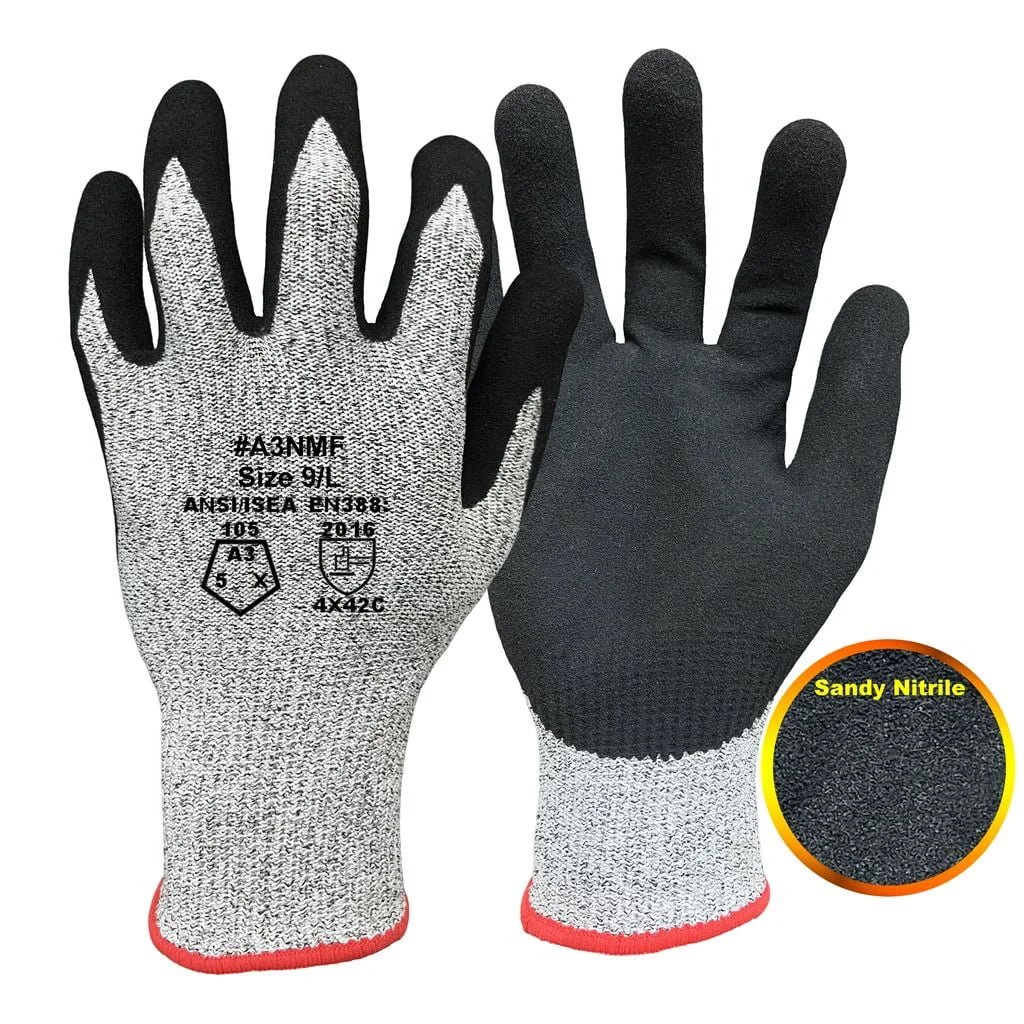
It's a really tough nut to crack. My team has seen firsthand that a test showing "no detected PFAS" for the 509 compounds Intertek can find does not equal "no PFAS at all." Our internal testing, which measures total organic fluorine, often reveals their presence. This means that while a specific, regulated PFAS might not be there, other organic fluorine compounds—which are still considered PFAS—are. This distinction is crucial for procurement6 and brand managers. We need to communicate this nuance transparently. It is about understanding the limitations of current testing and the reality of manufacturing processes.
| Claim Category | Implications for Glass Fiber Gloves | Buyer Considerations |
|---|---|---|
| "PFAS-Free" | Extremely difficult to achieve and verify due to lubricant necessity and detection limitations. | High Risk: Likely an inaccurate claim without robust total fluorine testing and verified alternatives. |
| "No Intentional PFAS Added" | More realistic, acknowledging unavoidable manufacturing residues. Requires documented supply chain12 diligence. | Medium Risk: Better, but still needs total fluorine data to understand residual levels. |
| "Meets Specific PFAS Regulations" | Focuses on compliance with current legal limits for identified PFAS (e.g., EU REACH). | Medium Risk: Good for regulatory compliance, but doesn't guarantee freedom from all PFAS. Ask for which PFAS are tested. |
| "Low PFAS Content (via TOF)" | Based on total organic fluorine (TOF) measurement, aiming for the lowest possible levels. | Best Available: Provides a more holistic view of PFAS presence. Look for suppliers actively reducing TOF. |
| "PFAS-Free Alternatives" | Explores new lubricant technologies or alternative materials13 that avoid PFAS entirely. | Future-Oriented: Investigate suppliers actively researching and implementing PFAS-free production methods. |
For us, making a truly "PFAS-free" glove with glass fiber means finding a new way to make glass fiber itself, without these lubricating compounds. This is a massive undertaking for the raw material suppliers. Until then, our focus needs to be on transparency and minimizing known PFAS while continuously seeking new, safer material innovation14s. It means we cannot just rely on a standard test report; we need to understand the underlying chemistry and manufacturing processes.
How Can Manufacturers Address PFAS in Glass Fiber Proactively?
It's a critical question that demands innovative solutions and a forward-thinking approach.
we can proactively address PFAS in glass fiber by collaborating closely with raw material suppliers to develop and adopt PFAS-free lubricants. This involves investing in research for alternative chemical composition15s, implementing robust total organic fluorine testing in their supply chain, and clearly communicating the challenges and progress to their customers and stakeholders.
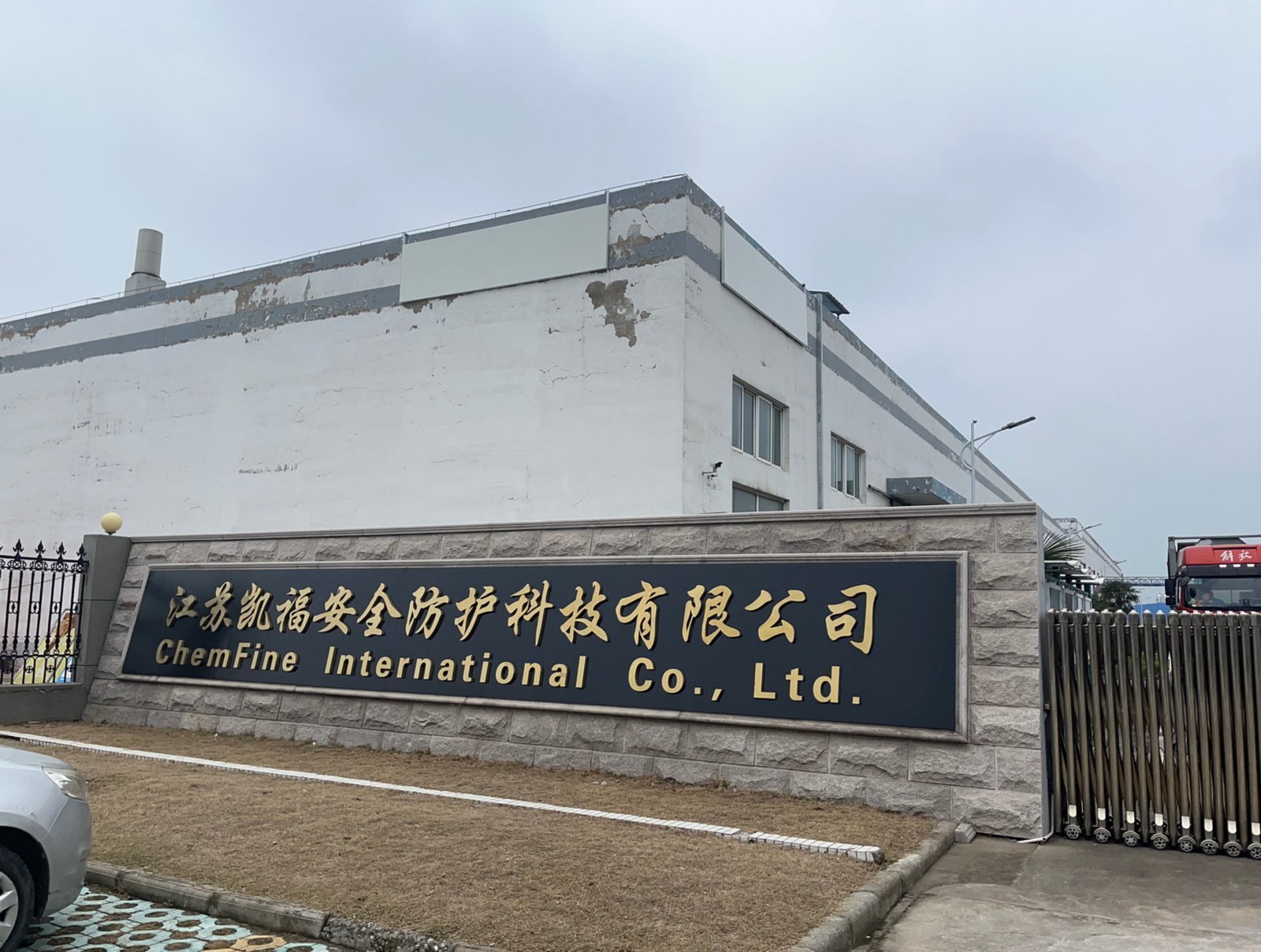
From where I stand, the first step is always acknowledging the problem. We know PFAS are in fine glass fiber because of the lubricants. So, our primary focus must be on finding substitutes for these lubricants. This is not something we can do alone. It requires strong partnerships with our glass fiber suppliers. We need to push for innovation in their production processes. Also, as seen with our failed ASTM D7359:2023 test, relying only on tests for specific PFAS compounds is insufficient. We need to demand and conduct total organic fluorine testing. This gives a more accurate picture of PFAS presence.
| Strategy | Description | Expected Impact |
|---|---|---|
| R&D for Alternative Lubricants | Invest in or pressure suppliers to research and develop non-PFAS lubricants for glass fiber production. | Reduces PFAS at the source, leading to truly PFAS-free raw materials. |
| Supply Chain Mapping & Auditing | Identify all sources of glass fiber and audit their lubricant usage. Demand transparency from suppliers. | Pinpoints areas of risk and encourages suppliers to adopt better practices. |
| Implement Total Organic Fluorine (TOF) Testing | Adopt methods like ASTM D7359:2023 across the supply chain to measure overall PFAS presence. | Provides a comprehensive measure of PFAS, beyond specific compounds, guiding reduction efforts. |
| Clear Communication | Be transparent with customers about PFAS challenges, testing limitations, and mitigation strategies. | Builds trust and sets realistic expectations regarding "PFAS-free" claims. |
| Certification & Standards | Work towards certifications16 that specifically address total fluorine or verified PFAS-free production. | Establishes industry benchmarks and differentiates compliant products. |
| Customer Education | Inform procurement and brand managers about the complexities of PFAS in materials and testing. | Empowers customers to make informed decisions and supports collective industry change. |
| Advocate for Policy Change | Support industry efforts and regulations that encourage the phase-out of PFAS chemicals. | Creates a level playing field and drives broader industry adoption of safer alternatives. |
This proactive approach helps us minimize the PFAS content in our products. It also positions us as leaders in product safety. It is a long journey, but every step towards transparency and safer materials builds a stronger foundation for our brand and our customers. It is not just about compliance, but about responsibility and innovation.
Conclusion
Glass fiber in safety gloves often contains PFAS lubricants, making truly "PFAS-free" claims complex due to manufacturing needs and limited detection methods. Proactive steps involve supplier collaboration for alternative lubricants, comprehensive total organic fluorine testing, and transparent communication with customers.
Understanding the health implications of PFAS is crucial for making informed decisions about safety products. ↩
Explore options for safety gloves that provide effective protection against harmful chemicals. ↩
Discover safe lubricant alternatives that can help reduce harmful chemical exposure in manufacturing. ↩
Gain insights into the complexities of glass fiber production and its implications for safety. ↩
Learn about the role of glass fiber in enhancing the safety and durability of protective gear. ↩
Learn effective procurement strategies to ensure the safety and compliance of equipment. ↩
Explore how effective brand management can enhance product safety and consumer trust. ↩
Understanding safety risks is essential for making informed choices about protective gear. ↩
Find out which materials offer the best protection against cuts and abrasions in gloves. ↩
Stay updated on the latest testing methods to better assess PFAS presence in products. ↩
Understanding TOF testing can help assess the presence of PFAS in materials more accurately. ↩
Discover the importance of transparency in the supply chain for ensuring product safety. ↩
Explore alternative materials that can help eliminate PFAS from safety equipment. ↩
Explore cutting-edge innovations that enhance the safety and effectiveness of protective gear. ↩
Understanding chemical risks can help manufacturers make safer choices in production. ↩
Learn about certifications that can help verify the safety and compliance of products. ↩