Are you tired of buying foam nitrile gloves1 that don't live up to their promises? Many buyers struggle with identifying genuine foam nitrile. This guide will help you spot the fakes!
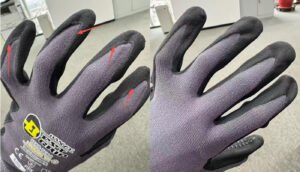
Real foam nitrile gloves have tiny, visible air bubbles2 on their surface, making them breathable3 and soft, while fake versions lack these bubbles, feel less comfort4able, and are not breathable or water-permeable5.
It's crucial for safety6 and performance to know what you are getting. Let's dive deeper into how you can protect your investments and ensure your workers have the best protection available.
Can You Really Spot Fake Foam Nitrile by Just Looking at It?
It's frustrating to receive a product that doesn't match its description. I’ve seen countless situations where buyers realize too late that they have purchased inferior gloves.
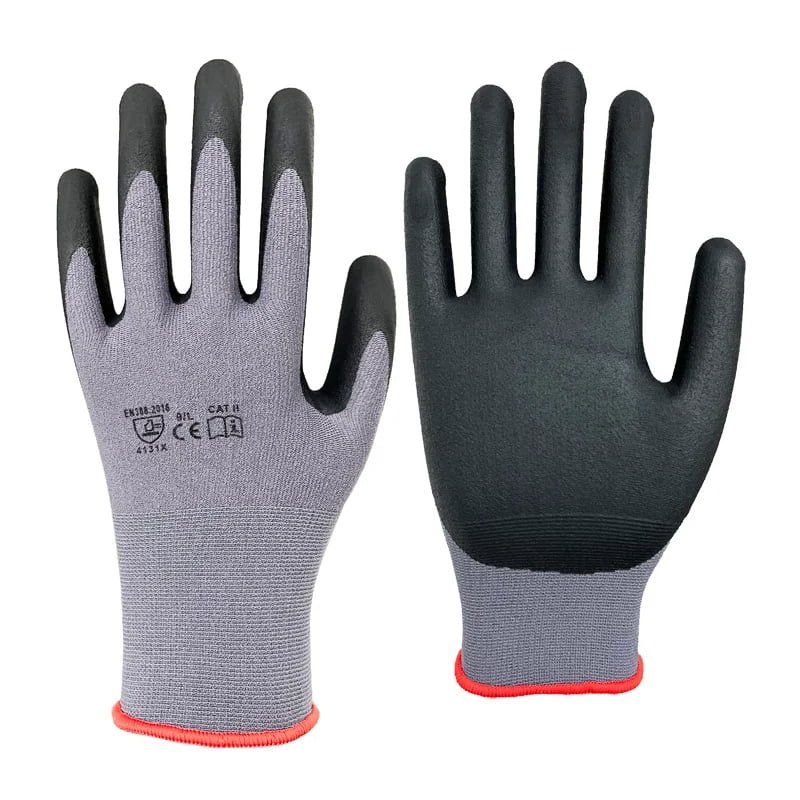
Yes, you can often identify fake foam nitrile7 gloves just by examining their appearance. Real foam nitrile will consistently show small, visible air bubbles on its surface, a characteristic absent in counterfeit products.
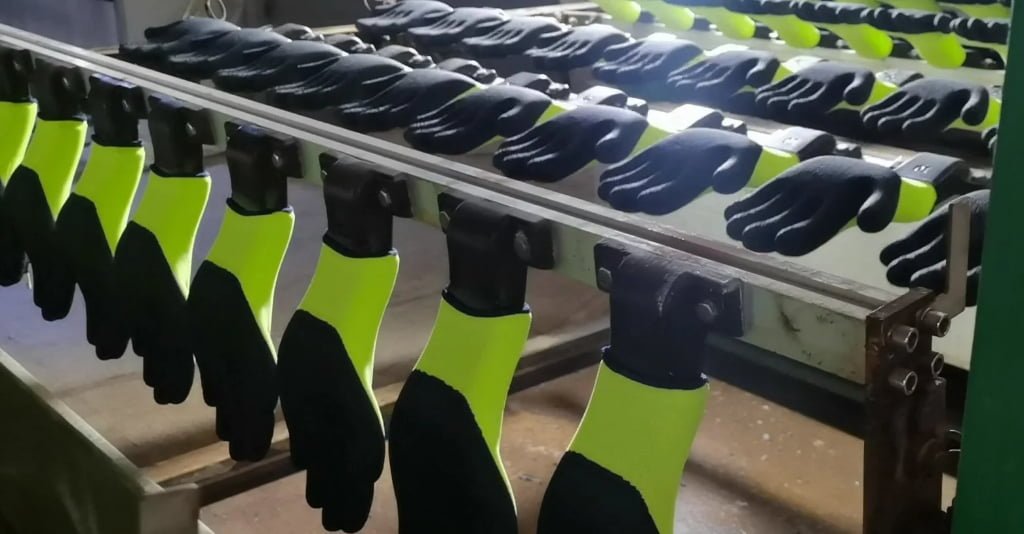
Let me explain. When foam nitrile is made correctly, the manufacturing process8 traps tiny air pockets within the coating. This is what gives it its unique properties. Without these air pockets, it is not foam nitrile. I always tell my team to look for these bubbles first. It's a simple, quick check that can save a lot of trouble. If you don't see them, it's a red flag. This visual cue is your first line of defense against buying substandard products.
Visual Cues: What to Look For
When you are checking foam nitrile gloves, the most important thing to look at is the surface. It will tell you a lot.
| Feature | Real Foam Nitrile | Fake Foam Nitrile |
|---|---|---|
| Surface | Has many tiny, visible air bubbles | Appears smooth, no air bubbles |
| Texture | Slightly porous | Often looks more solid or plastic |
| Color Depth | Can appear slightly diffused | Often has a more uniform, solid color |
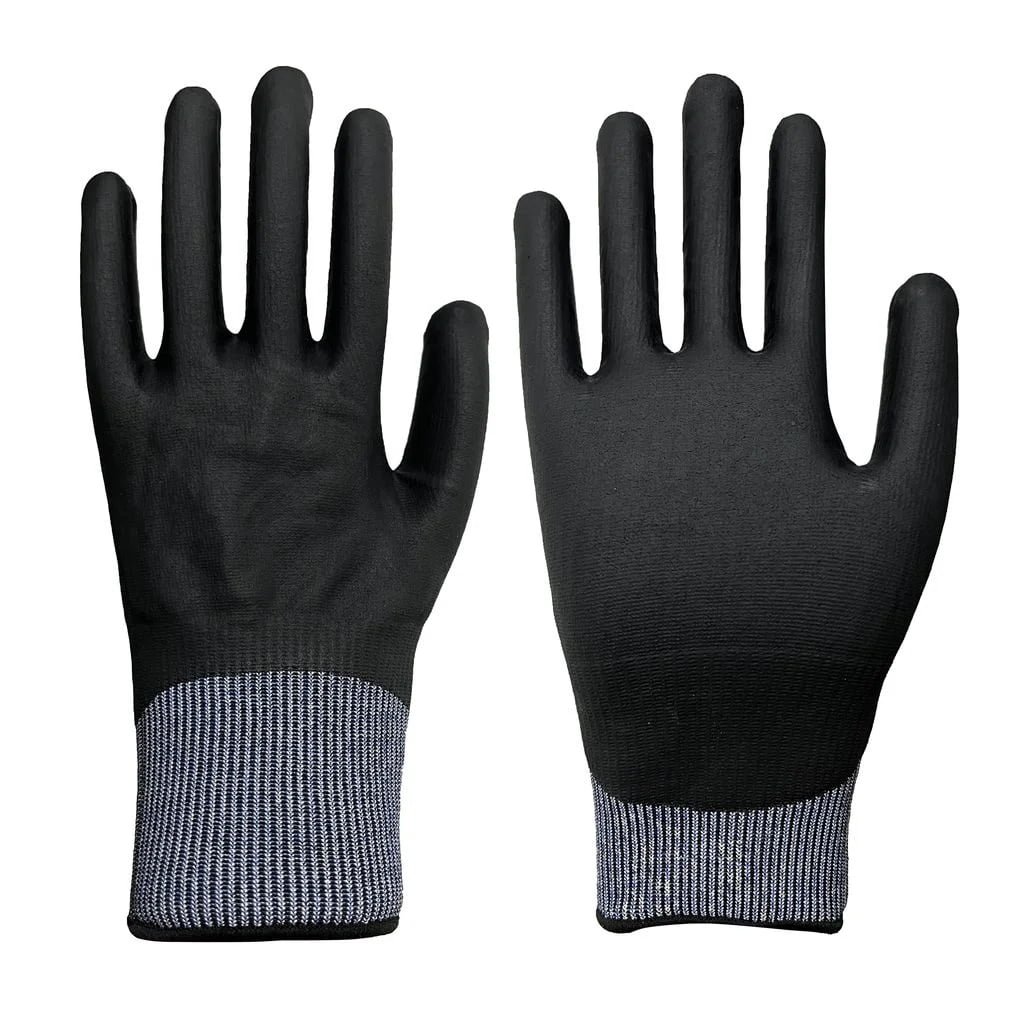
I once visited a new supplier who claimed to produce foam nitrile. When I picked up a sample, I immediately noticed the surface was perfectly smooth, almost shiny. There were no tiny bubbles at all. I knew right away it was not real foam nitrile, even before doing any performance tests. This visual check is very reliable. Real foam nitrile’s bubbly texture is not just for show; it is a direct result of the foaming process that gives it its performance benefits. If it doesn't look like foam, it probably isn't. Always start with this simple visual inspection9. It can save you time and money.
Does Performance Really Differ Between Real and Fake Foam Nitrile?
Imagine buying gloves for breathability, only to find your hands sweating profusely. It's a common issue with fake products. My clients often share stories of discomfort and reduced productivity due to poor-quality gloves.
Yes, there is a significant difference in performance between real and fake foam nitrile gloves7. Real foam nitrile is highly breathable and allows some water vapor to pass through, while fake versions are not breathable and are typically waterproof, trapping moisture inside.
This performance gap is critical for worker comfort10 and safety. Real foam nitrile’s unique structure, with its interconnected air cells, allows for air circulation11. This keeps hands cooler and reduces sweat buildup. Fake foam nitrile, lacking these air cells, acts more like a solid barrier. It traps heat and moisture, leading to discomfort and potential skin issues12. I always emphasize that performance is not just about protection; it is also about the wearer's experience. Better performance means happier, more productive workers.
Testing Performance: Simple Ways to Check
You don't need a lab to test the performance differences13. Simple checks can reveal the truth.
| Performance Aspect | Real Foam Nitrile | Fake Foam Nitrile |
|---|---|---|
| Breathability | Allows air to pass through (test with breath) | Blocks air flow (no breath passes) |
| Water Permeability | Absorbs a small amount of water slowly | Repels water, keeps surface dry |
| Comfort | Keeps hands cooler, reduces sweat | Traps heat and moisture, hands get sweaty |
I remember a time when a customer was complaining about their workers' hands getting too hot and sweaty, even with "foam nitrile" gloves. We got a sample of their gloves and did a simple breath test. With our genuine foam nitrile, you could feel a slight airflow when you blew through it. With their "foam nitrile," it was completely blocked. Then we put a drop of water on it; our glove slowly absorbed it, while theirs beaded up and rolled off. This showed their gloves were just coated with a solid rubber, not real foam nitrile. These simple tests proved the huge difference. It is important to know that real foam nitrile is not fully waterproof because of its breathable nature. It handles light liquids but will absorb water if submerged. This is a key feature of its breathability.
Does Hand Feel Really Indicate if Foam Nitrile is Real?
Ever put on a pair of gloves and instantly feel the difference in quality? The tactile experience14 is often a giveaway for fake products.
Yes, hand feel is a strong indicator of whether foam nitrile is real or fake. Real foam nitrile gloves feel noticeably softer, more flexible, and more comfortable due to their breathable texture, whereas fake versions often feel stiffer, less pliable, and less pleasant to wear.
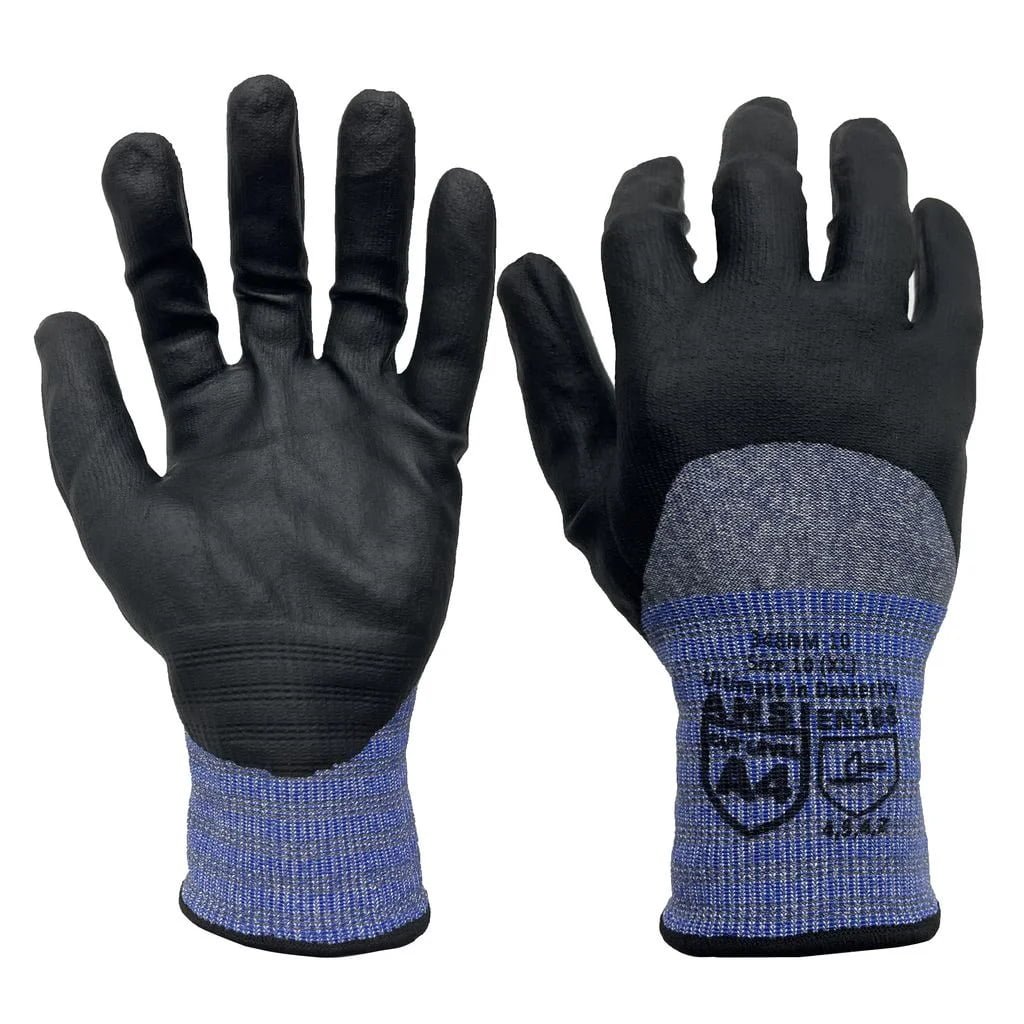
The softness and flexibility of real foam nitrile come directly from its foamed structure. The tiny air bubbles make the material lighter and more cushioned. This allows the glove to conform better to the hand, offering superior dexterity and reducing hand fatigue. Fake foam nitrile, often made with a denser, non-foamed coating, will feel stiff and less yielding. This impacts comfort and also limits movement. I always advise my customers to try on a pair. The difference is usually immediate and very clear. A comfortable glove means workers are more likely to wear them, ensuring consistent safety.
Tactile Differences: How It Feels
When you handle the gloves, pay attention to these sensations. They will tell you a lot about the material.
| Hand Feel Aspect | Real Foam Nitrile | Fake Foam Nitrile |
|---|---|---|
| Softness | Very soft, almost cushion-like | Stiff, harder, less yielding |
| Flexibility | Highly flexible, molds to hand easily | Less flexible, can feel rigid |
| Breathability | Feels cool and airy | Feels hot and clammy quickly |
| Comfort | Very comfortable for long periods | Uncomfortable, leads to hand fatigue |
| Weight | Lighter due to trapped air | Heavier, more dense |
I once had a client who was comparing two different suppliers. One supplier's "foam nitrile" gloves felt very rubbery and hard, almost like dishwashing gloves. When they tried ours, which was real foam nitrile, they were shocked by how much softer and more flexible they were. They said it felt like wearing a second skin. This made a huge difference in their workers' acceptance of the gloves. Workers were much happier to wear our gloves because they were so much more comfortable, especially during long shifts. This simple comparison of hand feel convinced them of the quality difference. It is an important factor for user adoption and overall satisfaction.
Is Price Always a Reliable Indicator of Real Foam Nitrile?
It's tempting to go for the cheapest option, but as the saying goes, "you get what you pay for." This is especially true with specialized materials like foam nitrile.
Yes, the price is generally a reliable indicator for distinguishing real foam nitrile from fake. Real foam nitrile is more expensive to produce due to its complex manufacturing process and superior materials, meaning its market price will always be higher than that of counterfeit or inferior alternatives.
The production of genuine foam nitrile involves specific chemicals and precise foaming techniques that add to the cost. Fake versions often use cheaper, simpler coatings that mimic the look but not the properties. I always tell my clients that if a deal seems too good to be true, it probably is. Investing a little more in real foam nitrile pays off in better performance, longer glove life, and increased worker safety and comfort. Trying to save a few cents on each pair can lead to higher costs in the long run through frequent replacements, decreased productivity, and potential safety incidents.
Cost vs. Value: Understanding the Price Difference
Understanding why real foam nitrile costs more helps justify the investment. It is not just about the price tag; it is about the value you receive.
| Cost Factor | Real Foam Nitrile | Fake Foam Nitrile |
|---|---|---|
| Raw Materials | High-quality polymers, foaming agents | Cheaper, often lower-grade polymers |
| Manufacturing | Complex foaming process, specialized equipment | Simpler coating process, basic machinery |
| R&D | Ongoing research for improved performance | Minimal or no R&D investment |
| Certifications | Often CE, UKCA, ANSI/ISEA, CSA compliant | Rarely certified, or uses false certifications |
| Durability | Lasts longer, offers better protection | Wears out faster, offers minimal protection |
| Comfort | Enhances worker comfort and productivity | Leads to discomfort and reduced productivity |
I had a client who switched to a cheaper supplier to save money on their glove purchases. They thought they were getting a great deal. However, within a few weeks, their workers started complaining about the gloves tearing easily and causing their hands to sweat excessively. The "cheaper" gloves had to be replaced much more often, and workers were unhappy. When they calculated the actual cost, including frequent replacements and lost productivity from discomfort, they realized they were spending more than before. They quickly came back to us. This experience showed them that while the initial price of real foam nitrile might be higher, its true value, in terms of durability15, performance, and worker satisfaction, makes it the more cost-effective choice in the long run. Always consider the total cost of ownership16, not just the purchase price.
Conclusion
Identifying real foam nitrile gloves is easy once you know what to look for: visible air bubbles, breathability, softness, and a higher price. These indicators ensure you get genuine products for safety and comfort.
Explore this link to find top-rated foam nitrile gloves that ensure safety and comfort for your needs. ↩
Learn how visible air bubbles can help you identify high-quality gloves and avoid fakes. ↩
Discover why breathability is crucial for comfort and performance in gloves. ↩
Discover why comfort is essential for worker satisfaction and productivity. ↩
Understand the significance of water-permeability in glove materials for better performance. ↩
Explore the role of gloves in enhancing safety in various work environments. ↩
This resource provides tips on spotting fake foam nitrile gloves to protect your investment. ↩
Explore the intricate manufacturing process that ensures the quality of foam nitrile gloves. ↩
Learn effective techniques for visually inspecting gloves to ensure quality. ↩
Discover how worker comfort can lead to increased productivity and satisfaction. ↩
Understand the importance of air circulation in maintaining comfort and performance. ↩
Explore the potential skin issues caused by using low-quality gloves. ↩
Find out how performance varies between genuine and counterfeit foam nitrile gloves. ↩
Learn how the tactile experience can indicate the quality of foam nitrile gloves. ↩
Find out how durability impacts the overall performance and lifespan of gloves. ↩
Understand the concept of total cost of ownership to make informed glove purchases. ↩