I've been watching the market closely, and let me tell you, the price of tungsten wire1 is on a wild ride. This situation has me, and many others in the industry, asking: what's going on? It's a question that demands our immediate attention, as it directly impacts our production and sourcing strategies2.
The sharp increase in tungsten wire prices, especially since September 2025, is primarily driven by a substantial surge in the cost of APT, its raw material, now exceeding 750,000 RMB per ton. This puts significant cost pressure on products like cut-resistant gloves3 that rely on tungsten wire.
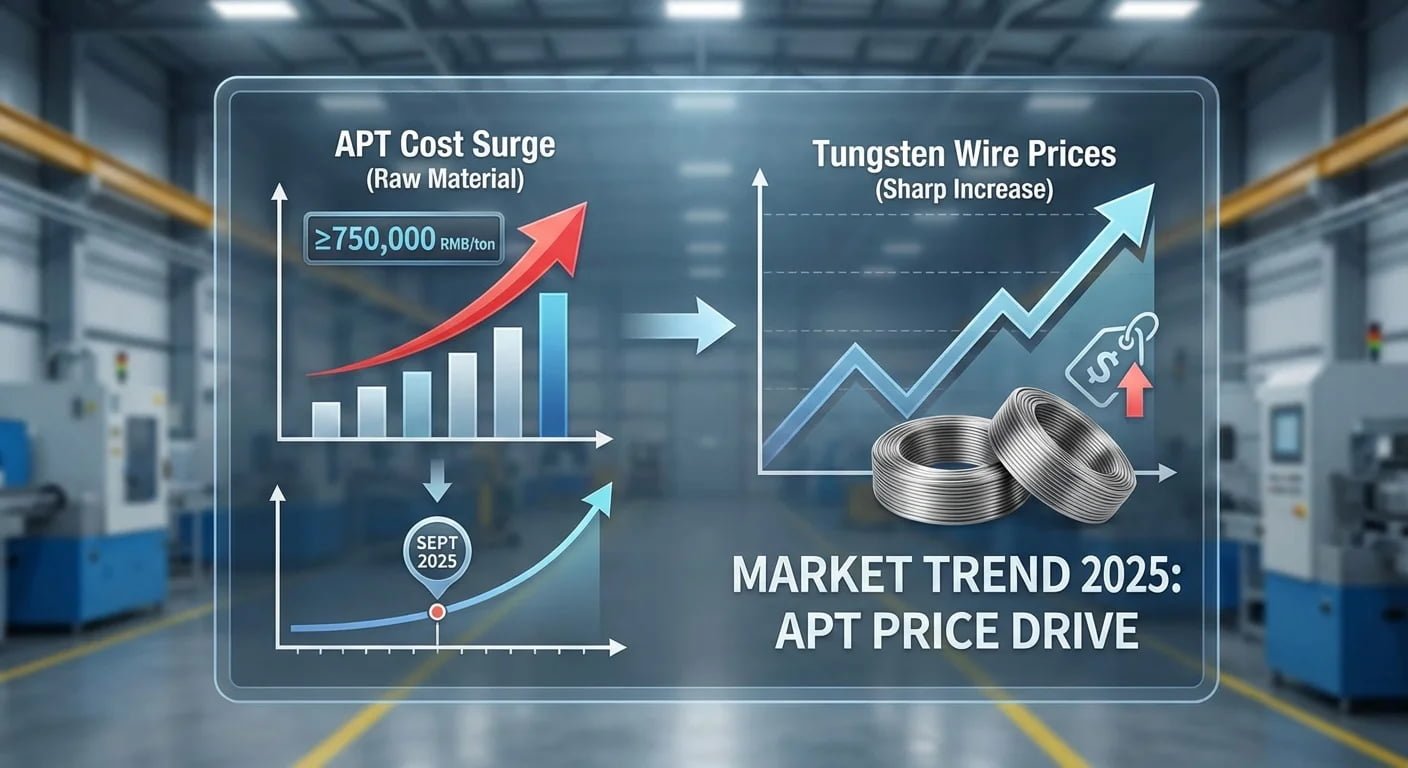
The tungsten wire market is dynamic, to say the least. We're seeing price adjustments4 from suppliers on a frequent basis. This isn't just a minor fluctuation; it's a significant shift that requires us to adapt our strategies. It's a situation that truly underscores the importance of staying informed and agile in our operations.
Why Are Tungsten Wire Prices Rising So Sharply?
The recent spike in tungsten wire prices is a major concern for us. I've been digging into the reasons behind this trend, and it's clear that the primary driver is the raw material. It makes you wonder: what's pushing those costs up so high? Understanding this is crucial for making informed decisions.
The main reason for the sharp rise in tungsten wire prices is the significant increase in the cost of Ammonium Paratungstate (APT)5, the key raw material, which has now surpassed 750,000 RMB per ton. This directly impacts the production costs6 of tungsten wire.
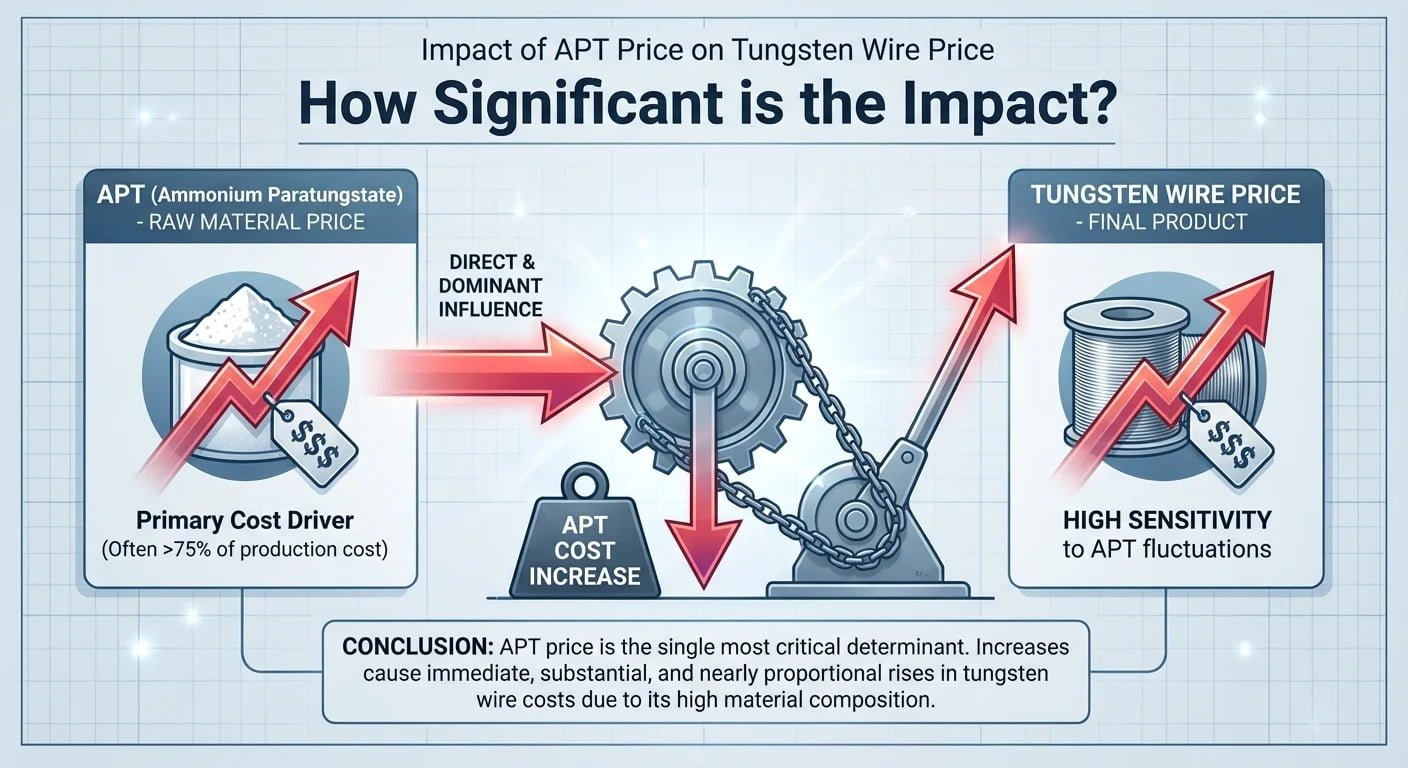
I've seen firsthand how the cost of APT, a critical raw material for tungsten wire, has absolutely exploded. This isn't just a slight bump; we're talking about figures exceeding 750,000 RMB per ton. This dramatic increase has a domino effect, directly translating into higher production costs for tungsten wire itself. It's a straightforward cause and effect. When the fundamental ingredient becomes more expensive, so too does the final product. This surge in APT cost has put immense pressure on all products that incorporate tungsten wire, especially those in our line of work, like cut-resistant products for protective use. Consider the specific example of 25um specification tungsten wire; its price has now reached 2,000 RMB per kilogram. This isn't just a number on a spreadsheet; it's a real-world impact on our purchasing and pricing strategies. We're seeing this pressure ripple through the entire supply chain7, affecting everything from manufacturing to final product pricing. It’s a challenge we must address head-on.
How Do Tungsten Wire Price Increases Affect Cut-Resistant Products?
The rising cost of tungsten wire is a big deal for us, especially when it comes to cut-resistant products. I've been thinking about this a lot: how does this affect what we make? It's not just a simple calculation; there are many layers to this impact that we need to consider carefully.
The increasing price of tungsten wire directly translates to higher manufacturing costs for cut-resistant products, as tungsten wire is a key component. This cost pressure impacts pricing, profitability, and can influence material choices for protective gear.

When I look at our cut-resistant products, particularly those gloves that rely on tungsten wire, the impact of these price increases becomes very clear. Tungsten wire is a critical component for achieving the high levels of cut resistance our customers expect. Therefore, any significant increase in its cost directly translates to a higher bill of materials for us. This isn't just an abstract financial figure; it's a tangible cost that affects our manufacturing overheads8 and, ultimately, the final price we need to charge for our products. We pride ourselves on providing high-quality, durable, and compliant safety solutions, and part of that commitment involves smart material sourcing.
Here's a breakdown of how these price hikes affect us and the market:
| Aspect | Impact on Cut-Resistant Products | Our Response/Consideration |
|---|---|---|
| Manufacturing Cost | Direct increase due to higher raw material price. | Continuous monitoring of raw material market fluctuations. |
| Product Pricing | Potential need to adjust selling prices. | Transparent communication with customers about market conditions. |
| Profit Margins | Can be squeezed if price adjustments are not feasible. | Optimizing other production processes to absorb some costs. |
| Material Sourcing | May explore alternative materials or suppliers, if feasible. | Deep collaboration with existing trusted suppliers for best terms. |
| Supply Stability | Risk of supply chain disruptions if suppliers struggle with costs. | Proactive communication with raw material factories on price trends. |
| Customer Impact | Higher costs for end-users, affecting their budget planning. | Advising end-customers to arrange purchasing plans appropriately. |
| Market Competitiveness | Challenges in maintaining competitive pricing. | Highlighting the superior performance and value of our products. |
We have to be strategic. While we aim to absorb some of these costs through efficiency gains, there's a limit. We must also communicate proactively with our clients and work with our raw material factories to understand future trends. Ensuring our products remain compliant with international standards like CE, UKCA, ANSI/ISEA, and CSA is non-negotiable, and we must do so while managing these rising material costs. It's a delicate balance, but one we're experienced in managing to ensure our customers always receive the best.
What Are Antafursafety's Strategies to Mitigate These Price Increases?
Facing these rising tungsten wire prices, I've been asking myself: what can Antafursafety do about this? It's a challenge, yes, but also an opportunity to demonstrate our resilience and strategic thinking. We need a clear plan to navigate these turbulent market conditions.
Antafursafety is mitigating tungsten wire price increases by continuously monitoring raw material market fluctuations, engaging in timely communication with raw material factories, and advising end-customers on appropriate purchasing plans9 to ensure stable supply and manage costs effectively.
As a manufacturer with over two decades of experience, I know that market volatility10 is a constant. My team and I are actively implementing several strategies to address the sharp increase in tungsten wire prices. First and foremost, we are continuously monitoring the raw material market. This isn't just a periodic check; it's an ongoing, real-time assessment of price fluctuations and market trends11. Understanding these movements helps us anticipate changes and react swiftly. For example, we've noted how several suppliers have frequently adjusted tungsten wire prices since September 2025, directly tied to the surge in APT costs. This proactive monitoring allows us to identify potential shifts before they become major disruptions.
Second, we are maintaining timely and open communication with our raw material factories. This is crucial. We're not just waiting for price lists; we're actively engaging in discussions about future price trends and supply forecasts. This collaborative approach helps us gain insights into the market's direction and allows us to negotiate the best possible terms. It also ensures we can secure the necessary materials to maintain our production schedule and meet our customers' demands.
Third, and very importantly, we are advising our end customers to arrange their purchasing plans9 appropriately.. This isn't about pushing costs onto them; it's about transparency and partnership. Given the unstable nature of raw material costs, we recommend that our clients plan their procurement well in advance. This helps them secure better pricing and ensures a stable supply of finished products, minimizing the impact of last-minute price spikes. We leverage our extensive experience and market data to provide them with the best guidance. Our goal is to ensure that, despite these external pressures, we continue to deliver high-quality, compliant safety work gloves and other PPE solutions. We maintain our ISO 9001 certification12 and ensure all products meet CE, UKCA, ANSI/ISEA, and CSA standards13, regardless of market challenges.
How Can Customers Prepare for Future Tungsten Wire Price Changes?
Given the current market volatility10, I often get asked: what can our customers do to prepare for potential future tungsten wire price changes? It's a valid question, and one I believe we, as their trusted partner, have a responsibility to help them answer. Preparation is key in these uncertain times.
Customers can prepare for future tungsten wire price changes by proactively arranging purchasing plans, maintaining open communication with their suppliers like Antafursafety, and considering strategic inventory management14 to buffer against market volatility10 and ensure supply continuity.
From my perspective, helping our customers navigate these market shifts is part of our commitment to them. I've found that effective preparation boils down to a few key strategies. First, proactive purchasing planning is essential. Instead of waiting until the last minute, customers should consider longer-term forecasts for their needs. This allows for bulk orders or securing contracts at more favorable, stable prices when possible. We've seen how timely orders can buffer against sudden price hikes. It’s about looking ahead and not just reacting to the immediate situation.
Second, maintaining open and consistent communication with their suppliers, like Antafursafety, is critical. We have a wealth of market insights from over 20 years in the industry and our continuous monitoring of raw material trends. Sharing their anticipated needs with us allows us to provide them with the most up-to-date information on price trends and availability. This partnership approach ensures that we can collaboratively plan for their requirements, offering solutions that best fit their budget and timeline while maintaining the high-quality standards they expect. Our team is always ready to discuss market conditions and offer strategic advice.
Third, strategic inventory management14 can be a powerful tool. While no one wants excessive inventory, a well-thought-out safety stock can provide a buffer against short-term price increases or supply chain7 disruptions. This means balancing the costs of holding inventory against the risks of stockouts and higher future prices. We work closely with our clients to understand their specific operational needs and help them determine optimal inventory levels. This could involve exploring options for staggered deliveries or forward buying15, depending on their operational capacity and risk tolerance. Ultimately, by combining proactive planning, strong supplier relationships, and smart inventory strategies, our customers can significantly reduce their exposure to tungsten wire price volatility, ensuring they continue to receive the durable and compliant safety products they need for their operations.
Conclusion
The rising price of tungsten wire presents a significant challenge, driven by surging APT costs. Antafursafety is actively mitigating this through continuous market monitoring, supplier communication16, and advising customers on purchasing plans.
Understanding the factors affecting tungsten wire prices can help you make informed purchasing decisions. ↩
Learn strategies to adapt sourcing in response to market fluctuations. ↩
Discover how tungsten wire enhances the safety and durability of cut-resistant gloves. ↩
Explore the dynamics of the tungsten market and how price adjustments affect businesses. ↩
Learn about APT's role in the tungsten supply chain and its impact on pricing. ↩
Gain insights into how raw material prices impact overall production costs. ↩
Explore the ripple effects of price increases on the entire supply chain. ↩
Learn how material costs influence manufacturing overheads and pricing. ↩
Learn how to develop purchasing plans that mitigate risks from price fluctuations. ↩
Understanding market volatility can help businesses prepare for price changes. ↩
Discover ways to keep up with market trends to make informed business decisions. ↩
Discover the significance of ISO 9001 certification in ensuring product quality. ↩
Understand CSA standards and their importance in the safety equipment industry. ↩
Discover strategies for effective inventory management to buffer against price changes. ↩
Explore the advantages of forward buying in securing better pricing. ↩
Learn why maintaining open communication with suppliers is crucial for cost management. ↩