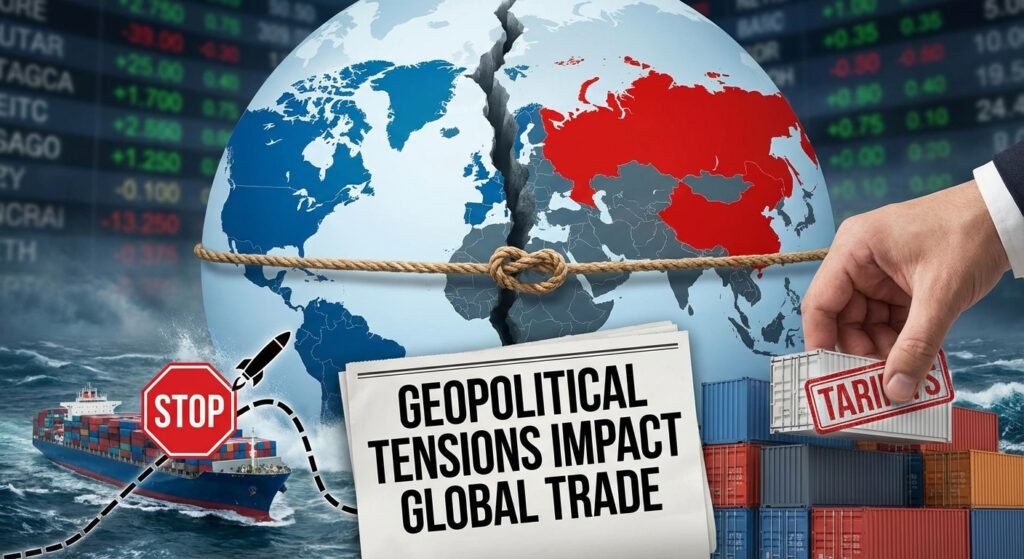
The ongoing tensions between the United States, Israel, and Iran are causing serious problems for global energy1, shipping, and international trade2. These disruptions are leading to higher costs and major delays for businesses worldwide.
The conflict among the United States, Israel, and Iran significantly affects global energy and trade by causing sharp rises in oil and gas prices, increasing shipping costs3 and delays, and raising overall import costs4 and export pressure5s for international businesses.
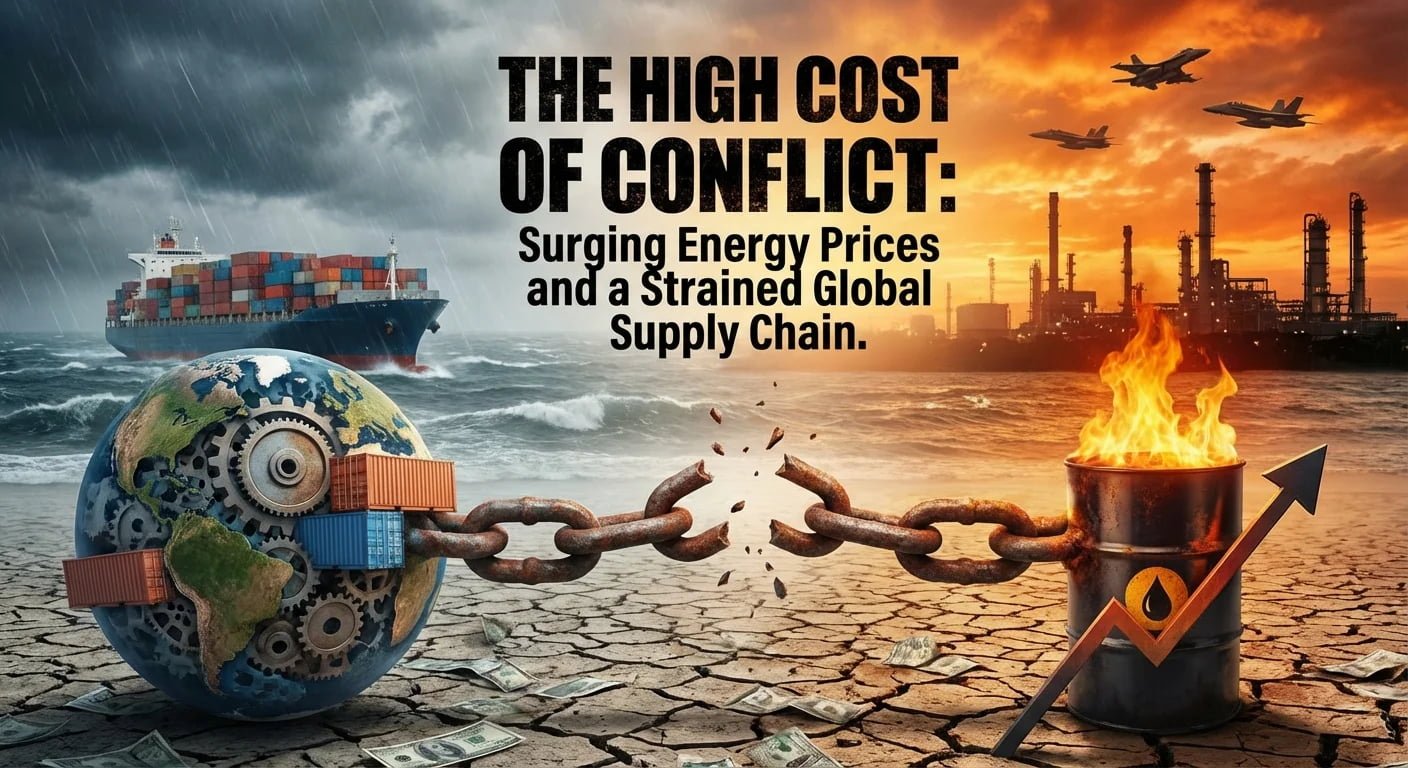
When we look at what's happening in the Middle East, it's clear that the ripple effects are felt far beyond the region. Every business involved in international trade, from small suppliers like us at Antafursafety to large multinational corporations, needs to understand these changes.
Are Energy Prices Really Soaring Because of the Conflict?
The conflict in the Middle East is indeed pushing energy prices much higher, hitting industries everywhere. This directly impacts businesses that rely on stable energy costs for manufacturing and transportation.
The Strait of Hormuz6, a key shipping route for 25% of global seaborne oil and 20% of liquefied natural gas (LNG), has seen severe disruptions due to the conflict, directly causing a significant rise in crude oil and LNG prices7.
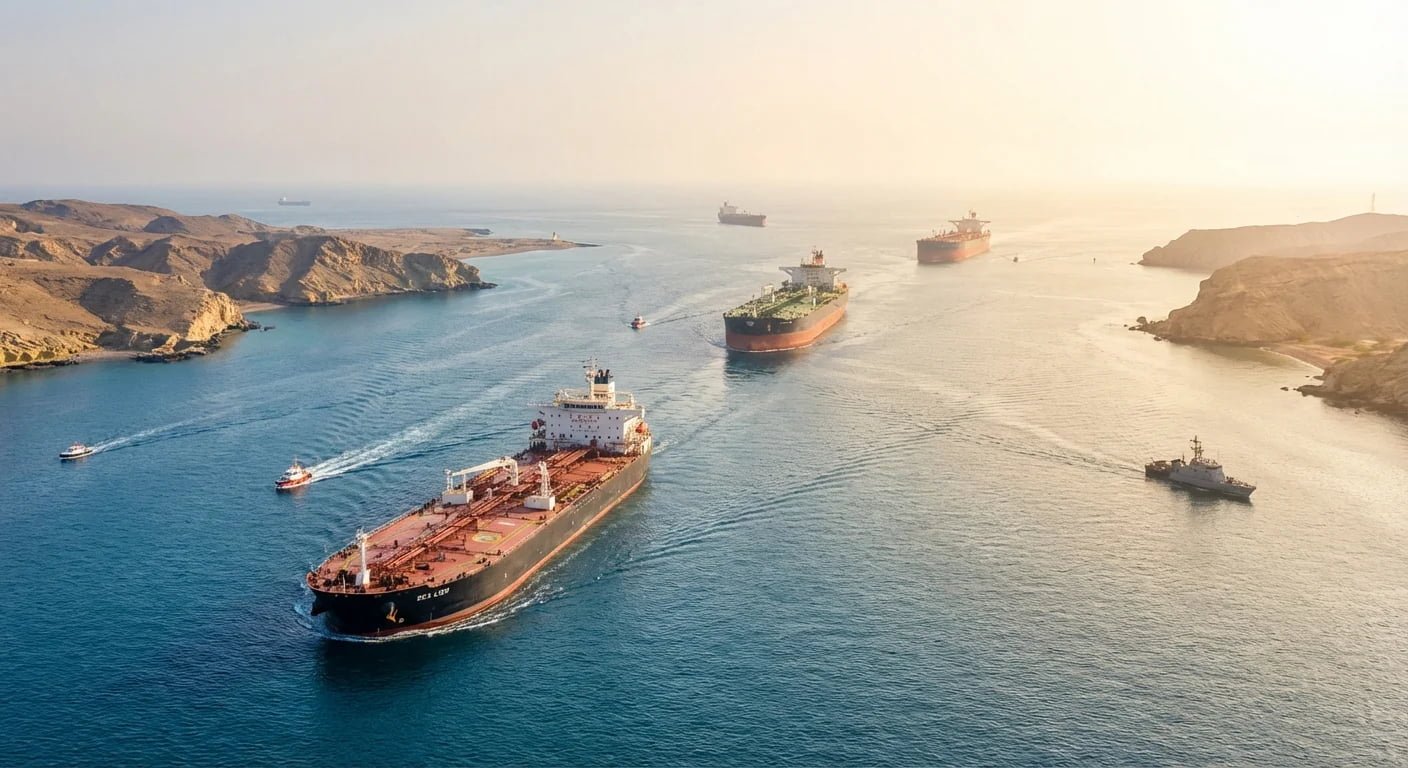
I've been in the safety glove manufacturing business for over 20 years, and I've seen many ups and downs in global markets. However, the current situation with energy prices feels different. The Strait of Hormuz is like the world's energy highway. When that highway gets blocked or becomes dangerous, the flow of essential resources slows down. This directly drives up the cost of oil and gas. For us at Antafursafety, higher energy costs mean higher production costs8 for our safety work gloves. It also means higher shipping costs to get our products to our B2B clients in North America, South America, Europe, and Asia. This forces us to constantly re-evaluate our pricing and logistics to remain competitive. We have to consider how these rising costs affect not just our bottom line but also the affordability for our clients like Ironclad and Lowe's. The instability creates a constant challenge for planning and forecasting in an industry where reliability and consistent supply are key. We work hard to manage these variables and ensure our partners still receive their high-quality safety gear on time and at a fair price. We use our 20 years of experience to navigate these choppy waters. We build strong relationships with suppliers and shipping partners. This helps us find the most efficient ways to continue operating. We always aim to keep disruptions to a minimum for our clients.
Are Shipping Costs and Delays a Direct Result of the Conflict?
Yes, the conflict is causing a major increase in shipping costs and long delays for global logistics. Companies are having to change their routes and pay more for insurance.
The conflict has led to skyrocketing freight rates, with shipping companies like Maersk diverting vessels around the Cape of Good Hope, adding 10-15 days to voyages and significantly increasing both freight and insurance costs, while also causing increased congestion in the Persian Gulf and Red Sea.
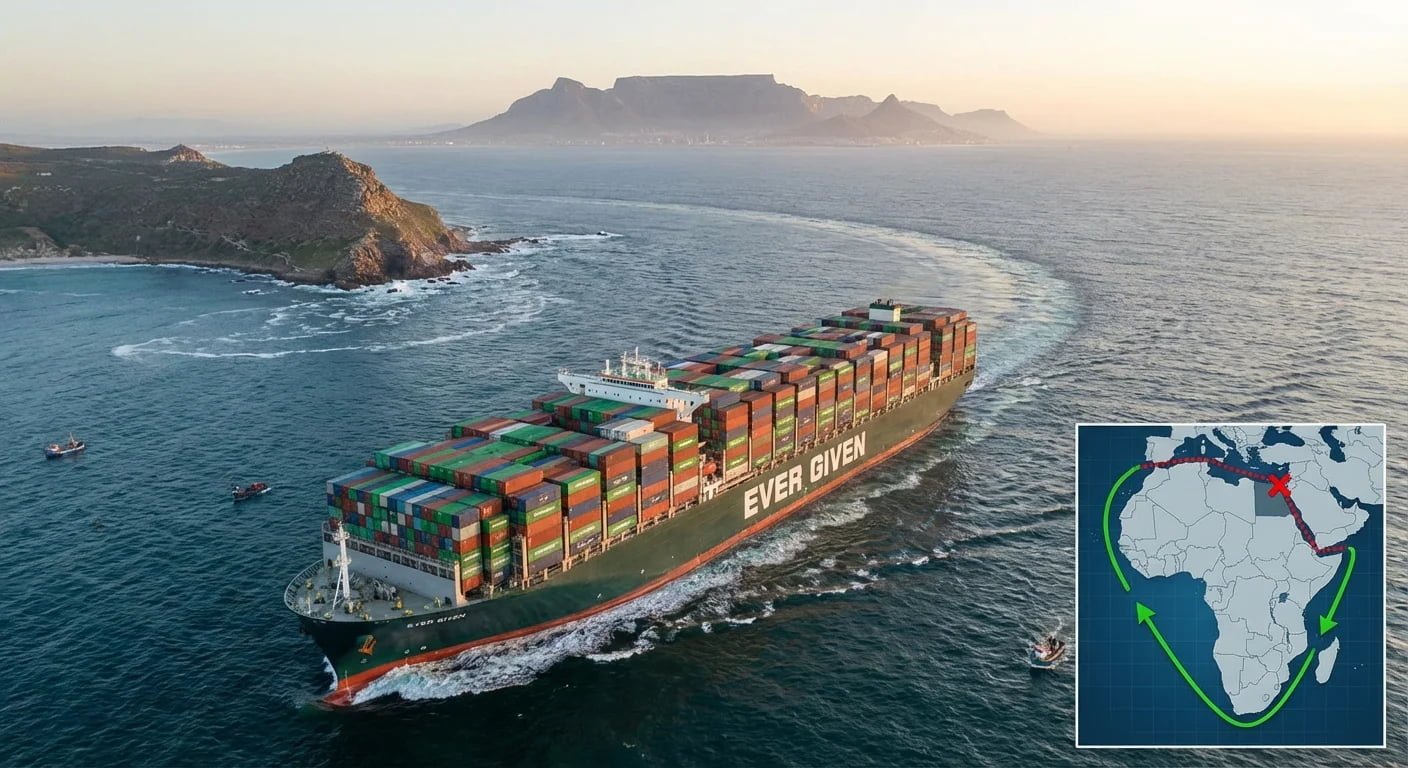
From my perspective as a safety glove manufacturer, watching global shipping routes get disrupted is very concerning. I remember a few years ago when a shipping issue caused delays for some of our raw materials. It pushed back production and affected our delivery schedules. Now, with major routes like the Red Sea and Persian Gulf facing increased risks, the situation is much worse. Shipping companies are making longer journeys around the Cape of Good Hope. This adds weeks to travel times and significantly increases fuel costs. For our B2B customers, especially those with tight inventory schedules, these delays can be very damaging. Imagine a large retailer needing a shipment of our safety gloves for a big project, only to find it's stuck for an extra two weeks. This affects their planning, their labor force, and their ability to fulfill their own commitments. At Antafursafety, we pride ourselves on efficient supply chains and on-time delivery. We have seven production lines for safety gloves and a daily output of 10,000 dozen pairs. We use 400 knitting machines and multiple dipping lines for PU, nitrile, and latex gloves. This high capacity allows us to manage some delays. But when the entire global shipping network is under stress, even our robust system faces challenges. We have to find alternative shipping methods or factor in longer lead times. This means working closely with our clients to manage expectations and find the best solutions. Our team uses our decade of trade data and PPE industry research to help our distributors navigate these issues. We provide them with insights on hot-selling products and profitable marketing guidance. This helps them expand their business with controlled risk and cost. We want to be a solid overseas backup for our partners in China.
Is the Conflict Making Imports More Expensive and Exports Harder?
Absolutely. The conflict is driving up the cost of importing goods and making it tougher for businesses to export their products efficiently.
The conflict is leading to higher import costs for key raw materials like crude oil, natural gas, methanol, and chemical products, while also increasing export pressure due to rising shipping costs and weaker overseas demand, ultimately exposing businesses to higher risks in settlement, logistics, and contract performance for trade in the Middle East.
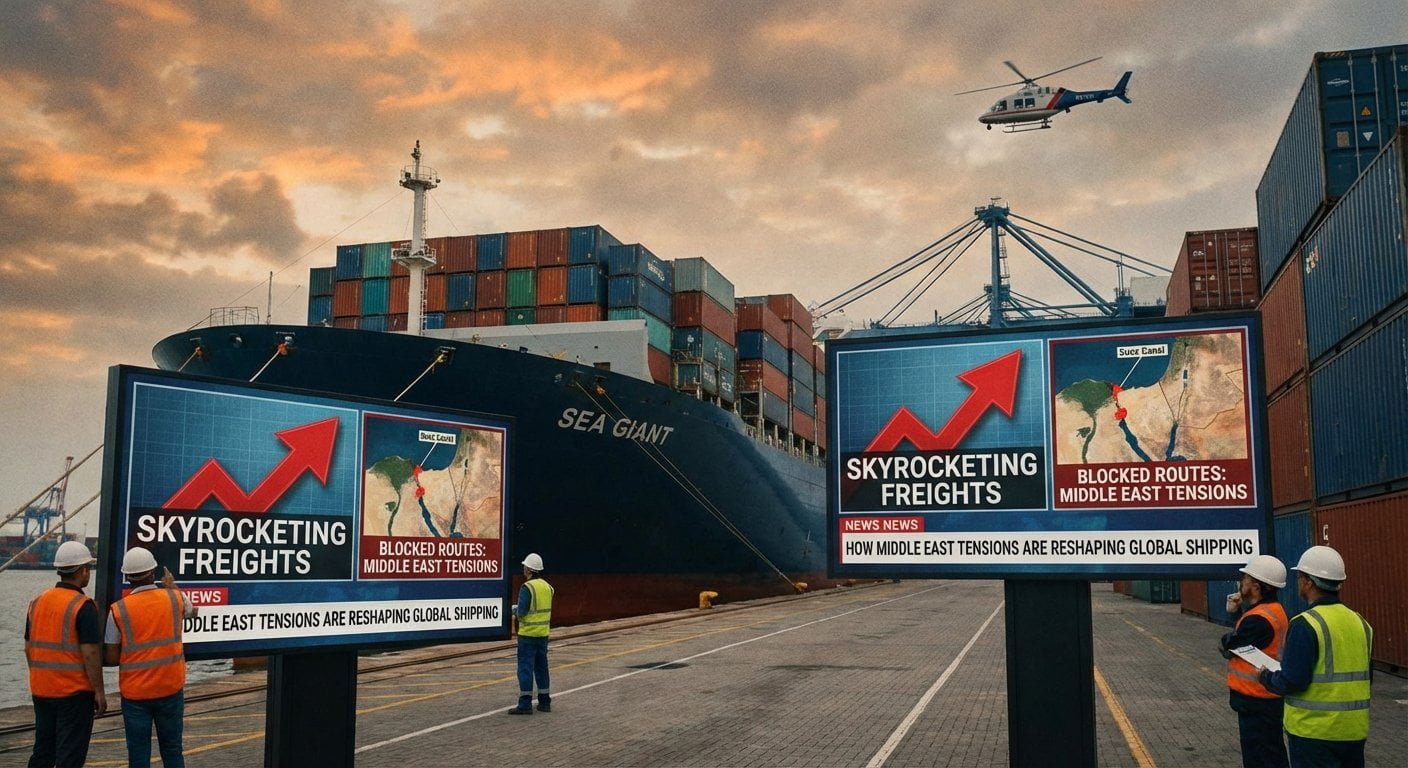
I've been overseeing the production and supply chain9 at Antafursafety for two decades. I've personally seen how global events translate into real costs for businesses. When the price of crude oil goes up, it affects everything from the synthetic fibers in our gloves to the plastic packaging we use. We buy yarn from yarn factories and then coat it into different cut-level or performance specifications based on client needs. If our raw materials become more expensive, our overall production cost increases. This directly impacts our clients, who are typically procurement or brand managers in industries like safety protection, construction, and glass manufacturing. They manage large procurement projects, often exceeding $1 million annually. They need high-quality, compliant products at optimized costs. These rising import costs put pressure on their budgets and make their jobs harder. On the export side, it's a double whammy. Not only are shipping costs higher due to the conflict, but we also see a weakening of demand in some overseas markets. This is because their economies are also feeling the pinch. This combination puts a lot of pressure on our export growth. We have to absorb some of these costs or find new ways to be more efficient. Our B2B model relies on long-term partnerships and trust. We work with clients like Honda, Toyota, General Motors, and Decathlon. We must ensure our products remain competitive and compliant with international standards like CE, UKCA, ANSI/ISEA, and CSA. The increased risk in settlement, logistics, and contract performance10 adds another layer of complexity. We perform 100% factory inspections and random checks to ensure our high standards. We also have ISO 9001 certification11. We offer a one-stop solution from product concept to mass production for safety work gloves. Our team is trained to provide quick response development services, on-time delivery, and cost-saving logistics. This helps our clients reduce risk.
Conclusion
The conflict between the United States, Israel, and Iran is causing major disruptions in global energy, shipping, and trade, leading to higher costs and increased risks for businesses worldwide.
Understanding global energy dynamics is crucial for businesses to navigate rising costs and maintain competitiveness. ↩
Discover the broader implications of Middle Eastern conflicts on international trade dynamics. ↩
Explore how geopolitical tensions influence shipping costs and logistics, impacting global trade efficiency. ↩
Learn about the various factors affecting import costs, essential for businesses to strategize effectively. ↩
Discover how conflicts can affect export strategies and market demand, vital for international businesses. ↩
The Strait of Hormuz is a key shipping route; understanding its significance can help businesses anticipate market changes. ↩
Understanding LNG price fluctuations is essential for businesses reliant on energy resources. ↩
Explore the factors driving production costs to better manage budgets and pricing strategies. ↩
Gain insights into how geopolitical issues affect supply chains, crucial for effective risk management. ↩
Learn how geopolitical issues can complicate contract performance, essential for risk management. ↩
Explore the benefits of ISO 9001 certification in ensuring quality and compliance in manufacturing. ↩